A rodent sighting near the canteen or cockroaches discovered in a classroom can create immediate concerns for a school. Staff need to know the problem is being addressed, parents expect the environment to be well managed, and normal school activities still need to continue.
But professional school pest control shouldn't begin and end with responding to complaints.
A good programme actively manages pest risks across the campus, with treatments and preventative measures that consider the students, staff and visitors using each space.
For principals and school business managers, there are several things worth understanding before appointing a contractor.

Not Every Part of a School Has the Same Pest Risks
A canteen is different from a classroom. A storeroom is different from a playground.
Food preparation and waste handling can attract cockroaches and rodents, particularly where moisture and shelter are available. Ceiling cavities, storage rooms and service penetrations may provide access routes that aren't immediately obvious.
Outside, birds may gather around eating areas or establish roosting locations on buildings, leaving droppings and nesting materials that require ongoing attention.
These different risks shouldn't all be managed with an identical treatment.
An effective pest management programme identifies the relevant species and locations, then establishes suitable preventative measures and servicing arrangements.
Planned Treatments Should Work Around the School Calendar
School holidays and periods outside normal operating hours are often the most practical times to undertake planned pest control.
They provide access to classrooms, storerooms and other areas with less disruption to the school day.
However, not every problem can wait for the next holiday. Active pest activity affecting a canteen or heavily used area may require a prompt response.
In these situations, treatment needs to be coordinated with the school so that staff understand which areas will be serviced, what preparation is required and whether any access restrictions apply afterwards.
An experienced contractor should be able to explain the proposed approach and why it is appropriate for the particular environment.
What Should Schools Ask About Safety?
Before work begins, schools should confirm the contractor's relevant licensing, insurance and safety procedures, together with any required site access or safeguarding checks.
For proposed treatments, the school should understand what products or methods will be used, where they will be applied and what precautions are required.
This matters particularly in areas used by younger students, around food preparation facilities and wherever access must be carefully managed.
In NSW, pesticide use in and around schools is subject to specific requirements.
Public schools are covered by the Department of Education's pesticide use notification plan, while private schools manage pesticide use individually. Pest management technicians also have notification obligations when undertaking certain outdoor pesticide applications near schools and other sensitive places.
These requirements should be considered when planning the work, not after the treatment has been arranged.
The Work Between Treatments Matters Too
A pest contractor can control an infestation, but prevention often depends on actions taken throughout the year.
If rodents are entering through a damaged door seal, the opening needs attention. If cockroaches repeatedly appear near a canteen, concealed harbourages, food residue or moisture may be contributing to the problem.
Likewise, birds returning to the same structure may require a specialist exclusion or deterrent approach rather than repeated cleaning.
The school should have a clear process for reporting new sightings, and maintenance recommendations should reach the staff responsible for acting on them.
It's also worth establishing what documentation will be supplied after servicing and who needs to receive it, particularly on larger campuses with several buildings or departments.
Protecting the Wider School Community
Good school pest management is preventative, responsive and informed by how the campus operates.
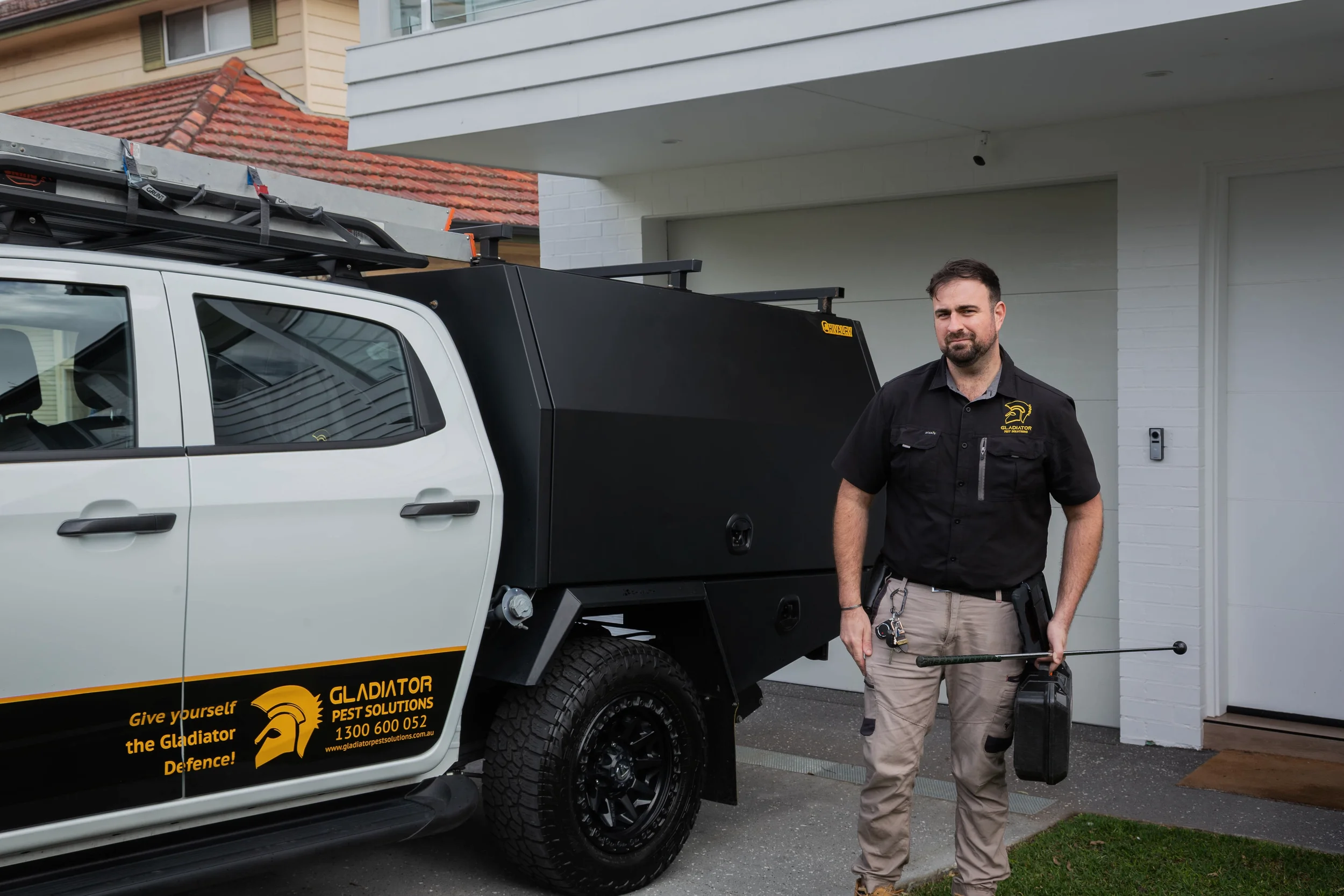
Gladiator Pest Solutions provides commercial pest management for schools across NSW, with programmes tailored to each school's buildings, grounds and operational requirements.
The focus is on managing pest risks while protecting the people who depend on those spaces every day.