One of the most concerning things about termites is how much damage they can cause without drawing attention to themselves.
Unlike a leaking pipe or broken window, termite activity may remain concealed within timber and building cavities. By the time a skirting board feels soft or a door frame shows damage, the insects may have been present for some time.
Mud tubes, weakened timber, unusual surface changes and discarded wings can all indicate possible termite activity. But they're not always easy to recognise, and some infestations develop without any obvious warning signs.
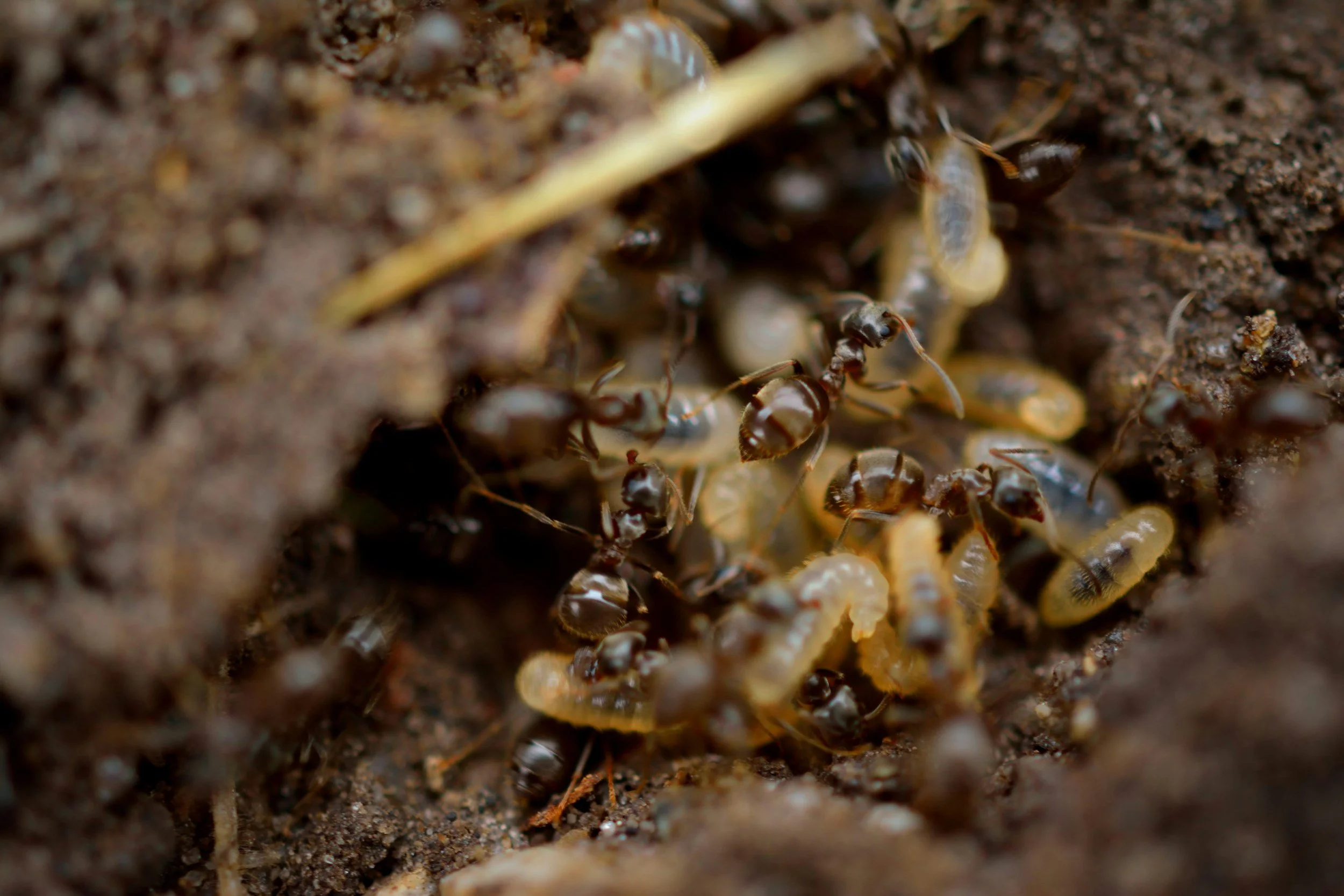
Here's what homeowners should know.
Mud Tubes Around Foundations and Walls
Subterranean termites construct narrow mud tubes that provide sheltered routes between their nesting areas and food sources.
You might notice these earth-like trails along brickwork, foundations, piers or other surfaces around the property.
They can be an important warning sign, although termites may also move through concealed areas where no tubes are visible.
If you discover a suspected mud tube, resist the temptation to break it open. Leaving the area undisturbed can help a professional inspector assess the activity.
Hollow-Sounding or Damaged Timber
Termites can consume timber from the inside while leaving much of the outer surface intact.
This means a skirting board or door frame may appear reasonably normal despite damage beneath the surface.
Timber that feels weakened, sounds unusually hollow or shows unexplained deterioration deserves attention.
However, these changes aren't proof of termites. Moisture, decay and other building problems can produce similar symptoms, so it's important to establish the cause before deciding on treatment.
Bubbling Paint and Unexpected Surface Changes
Paintwork that blisters, timber that becomes distorted or unexplained changes around door frames can sometimes be associated with concealed termite damage.
The difficulty is that moisture and building movement can produce similar effects.
A door that suddenly sticks, for example, isn't necessarily a termite problem. But where the cause isn't obvious, particularly if other warning signs are present, it's worth having the area assessed.
Discarded Wings Around Windows and Doors
Some termites develop into winged reproductive insects that leave an established colony to begin new ones.
After swarming, they shed their wings, which may collect around windows, doors and light sources.
Flying ants can be mistaken for termites, making identification important.
Finding discarded wings doesn't necessarily mean termites are actively damaging your home, but it does indicate that further investigation may be worthwhile.
What Should You Do If You Find Suspected Termites?
Avoid spraying the insects with household insecticide or disturbing the affected timber.
It can be tempting to open up the area to see how extensive the damage is, but disturbing termite activity can make an infestation more difficult to assess and manage.
Instead, photograph what you've found, note its location and arrange a professional timber pest inspection.
A qualified inspector can investigate accessible areas, assess evidence of activity and determine whether further investigation or treatment is required.
Depending on the findings, termite management may involve baiting, targeted treatment or other protection measures suited to the property.
Can You Have Termites Without Any Visible Signs?
Yes, and this is why visible warning signs should never be your only method of checking for termites.
Activity may remain concealed within inaccessible building areas. Even a careful homeowner cannot inspect every cavity or concealed timber element.
Regular professional inspections can help identify activity and conditions that increase risk before obvious damage appears.
Annual timber pest inspections are commonly recommended, although higher-risk properties or particular inspection findings may justify more frequent checks.
It's also worth understanding the difference between inspection and treatment. An inspection assesses the property for evidence of timber pests at that time. Any ongoing termite management measures are considered separately.
Protecting Your Home Before Damage Becomes Obvious
Recognising possible warning signs is useful, but professional inspections provide a more thorough assessment of risks that homeowners cannot easily see.
Gladiator Pest Solutions provides termite inspections and management across the Sutherland Shire and Sydney's Eastern Suburbs, with recommendations suited to each property.
If you find suspected termite activity, the most useful next step is to have it properly identified before disturbing the area.