One resident hears scratching behind the bedroom wall. Another discovers droppings beneath the kitchen sink. A third reports seeing a rat near the bin room.
It's tempting to treat these as three separate complaints. In reality, they may all be connected.
Rats and mice can move through the concealed spaces of an apartment building, meaning the unit where activity is discovered isn't necessarily where the problem began.
For strata managers, understanding those connections can help stop the same problem repeatedly affecting residents.
How Can Rodents Travel Between Apartments?
Apartment buildings contain an extensive network of spaces most residents never see.
Plumbing, electrical cables and other services often pass between floors and through shared building areas. Where openings around these services aren't adequately sealed, they can provide routes for rodents.
Wall and ceiling cavities offer sheltered spaces, while basements, car parks and storerooms may provide opportunities for rodents to enter the building.
Bin rooms are another common concern. Accessible food waste can attract rodents, particularly when nearby openings allow them to move into adjoining areas.
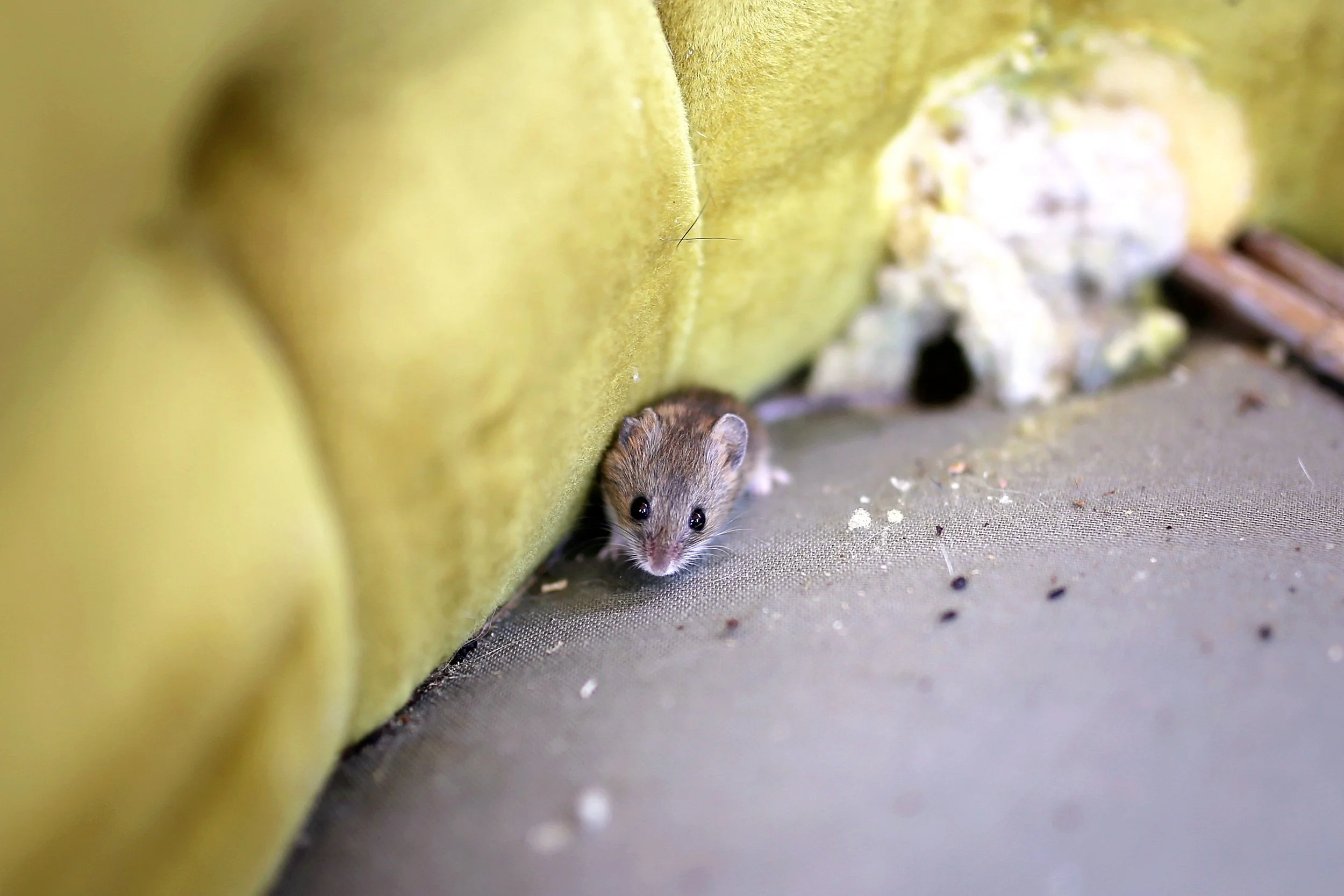
A rat discovered inside an apartment may therefore have travelled through a shared service space rather than entering through the apartment's front door.
Why Doesn't Treating One Apartment Always Solve the Problem?
Imagine rodents are accessing a building through an opening near the basement and travelling through connected service spaces.
Treating an affected apartment may reduce activity there. But if rodents remain elsewhere in the building, or new animals can continue entering through the original opening, the problem may return.
This is where rodent control and rodent exclusion become two parts of the same strategy.
Baiting and trapping can help control existing activity. Addressing damaged doors, building penetrations and other access points can reduce opportunities for further entry.
Neither should automatically replace the other.
Of course, not every rodent sighting means the whole building is infested. The purpose of investigating shared areas is to determine how extensive the problem actually is before deciding on the appropriate treatment.
What Should Strata Managers Do When Complaints Come In?
Start by asking residents for a little more detail.
Did they see a rat or mouse, find droppings or hear noises? Where did it happen, and has it happened before?
The answers can reveal patterns. Several reports near the same riser, for example, may point towards a common access route, while repeated sightings around the bin room suggest a different starting point.
A professional assessment can then focus on the affected apartments and any relevant common areas.
It is also important to distinguish work the pest contractor can undertake from building repairs that may need to be coordinated separately.
If an inspection identifies a gap around services or a damaged common-area door, that recommendation should be acted upon rather than left until another complaint arrives.

Keeping Residents Informed
Rodent problems can be unsettling for residents, especially when they can hear activity within their own walls but cannot see where it's coming from.
Clear communication makes a difference.
Residents should understand which areas need attention, whether access to their apartments is required and what they can do to reduce food and shelter opportunities.
Where pesticide treatments are proposed for common areas, NSW notification obligations also apply.
The person arranging treatment generally needs to provide residents with at least five working days' notice, including information about the proposed pesticide use. The technician must also display notices during application. Specific provisions apply in emergency circumstances.
Planning around these requirements helps ensure treatment is coordinated properly.
One Building, One Connected Problem
Managing pests in strata properties means looking beyond individual apartment boundaries.
Gladiator Pest Solutions provides strata pest management across the Sutherland Shire and Sydney's Eastern Suburbs, including common-area servicing and coordination with residents.
By investigating how pests are moving through a property, managers can make more informed decisions about treatment, maintenance and prevention.