Termites Don’t Wait. Neither Should You.
Spot the myths, the early signs, and the yearly checks that keep termites from costing thousands.
In Australia, we share our homes with more than just our families. Termites, often called “white ants,” are a quiet presence in many suburbs, and their impact can be devastating if left unchecked.
The trouble with termites is that they rarely announce themselves. By the time visible damage appears, much of the work has already been done behind the scenes. Walls, skirting boards, and even roof timbers can be compromised long before you notice a hollow sound in the wood or a bubble in the paint.
A Story From the Field
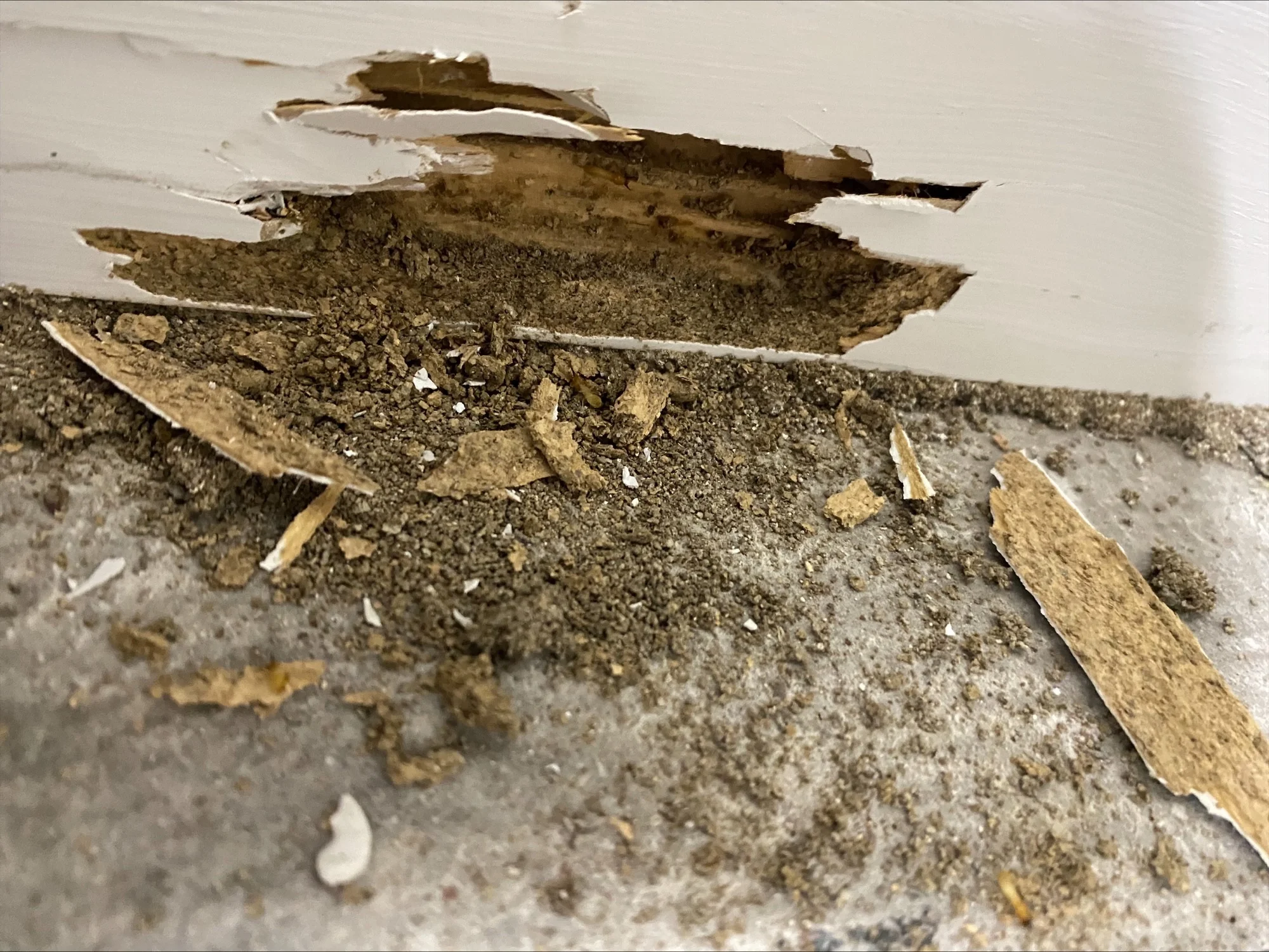
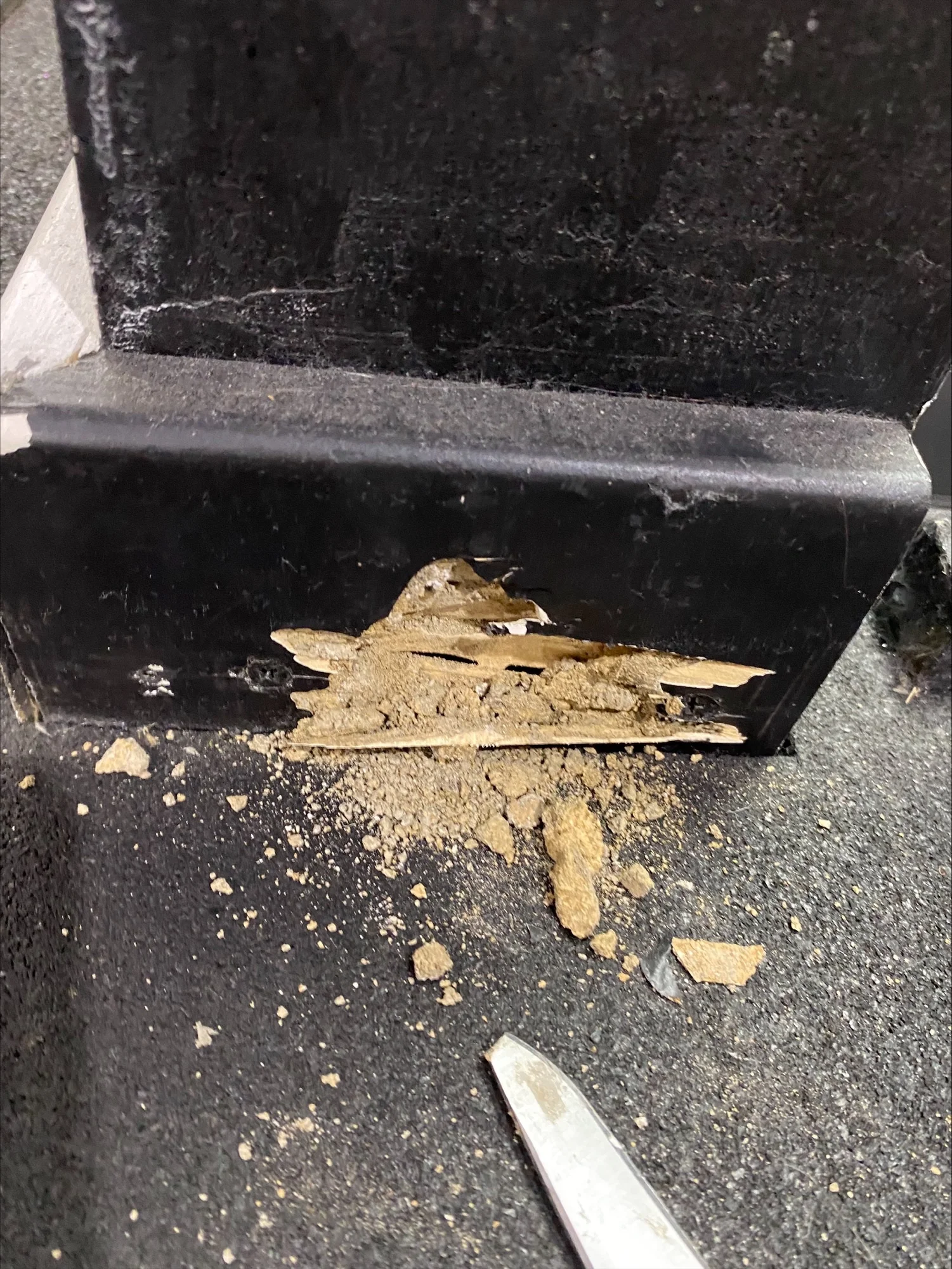
Not long ago, we were called to a home where the owners felt confident they were safe from termites. Their house was framed with metal, and they assumed that meant it was protected. But when we inspected, we found clear termite damage in the skirting and fascia. The metal frame may have been intact, but the surrounding timber elements were not.
It’s a reminder that no home is truly immune. Termites do not need much to establish themselves, and once they do, they can spread quickly.
Common Misconceptions
Over the years, we’ve heard the same myths come up time and again:
“We have a metal frame, so we’re safe.” As our customer discovered, termites don’t just target structural frames. Skirting, flooring, cabinetry, and fascia boards are all vulnerable.
“If I see black ants, termites won’t be around.” In reality, termites and ants can coexist in the same property without disrupting each other. One does not cancel out the other.
Believing these myths can give homeowners a false sense of security, which is exactly what termites rely on.
Why Regular Inspections Matter
Annual timber pest inspections are one of the most effective ways to protect your home. Our trained technicians look for early signs such as:
Mud tubes along foundations
Hollow-sounding timber
Discarded wings near windowsills
Unusual bubbling in paintwork
Catching termites early can save thousands of dollars in repairs and, just as importantly, preserve peace of mind.

What You Can Do
While professional inspections are essential, there are small steps homeowners can take to reduce risk:
Keep garden beds and mulch away from the base of your home
Ensure leaks and drainage issues are repaired promptly
Store firewood off the ground and away from external walls
Stay alert for changes in timber surfaces inside and outside your home
Termites are part of life in Australia, but they don’t need to be part of your home. With regular inspections and professional protection, they can be managed calmly and effectively.
At Gladiator Pest Solutions, we don’t rely on scare tactics. Instead, we provide knowledge, reassurance, and a clear plan for keeping your home safe. If it’s been more than a year since your last timber pest inspection, now is the right time to book one.
Because the best kind of protection is the kind you don’t have to think about.
FAQs
Do termites only eat wood?
No. While termites feed primarily on cellulose found in timber, they can also damage plaster, carpet, insulation, and even wiring as they move through a home.
How often should I get a termite inspection?
At least once a year. In higher-risk areas or properties with past termite activity, inspections every six months may be recommended.
Can ants prevent termites?
No. Ants and termites often live in close proximity. Seeing ants in or around your home does not mean you are protected from termites.
Can metal-framed homes still get termite damage?
Yes. Even if the frame is metal, termites can attack surrounding timber elements such as skirting, flooring, and cabinetry.