Baby Cockroaches? Think Again.
Those tiny “babies” are German cockroaches. Here’s how infestations start—and how to end them for good.
If you’ve spotted small brown cockroaches darting across your kitchen, you’re not alone. In Sydney, especially in apartments and terraces, German cockroaches are one of the most common and persistent pests we see.
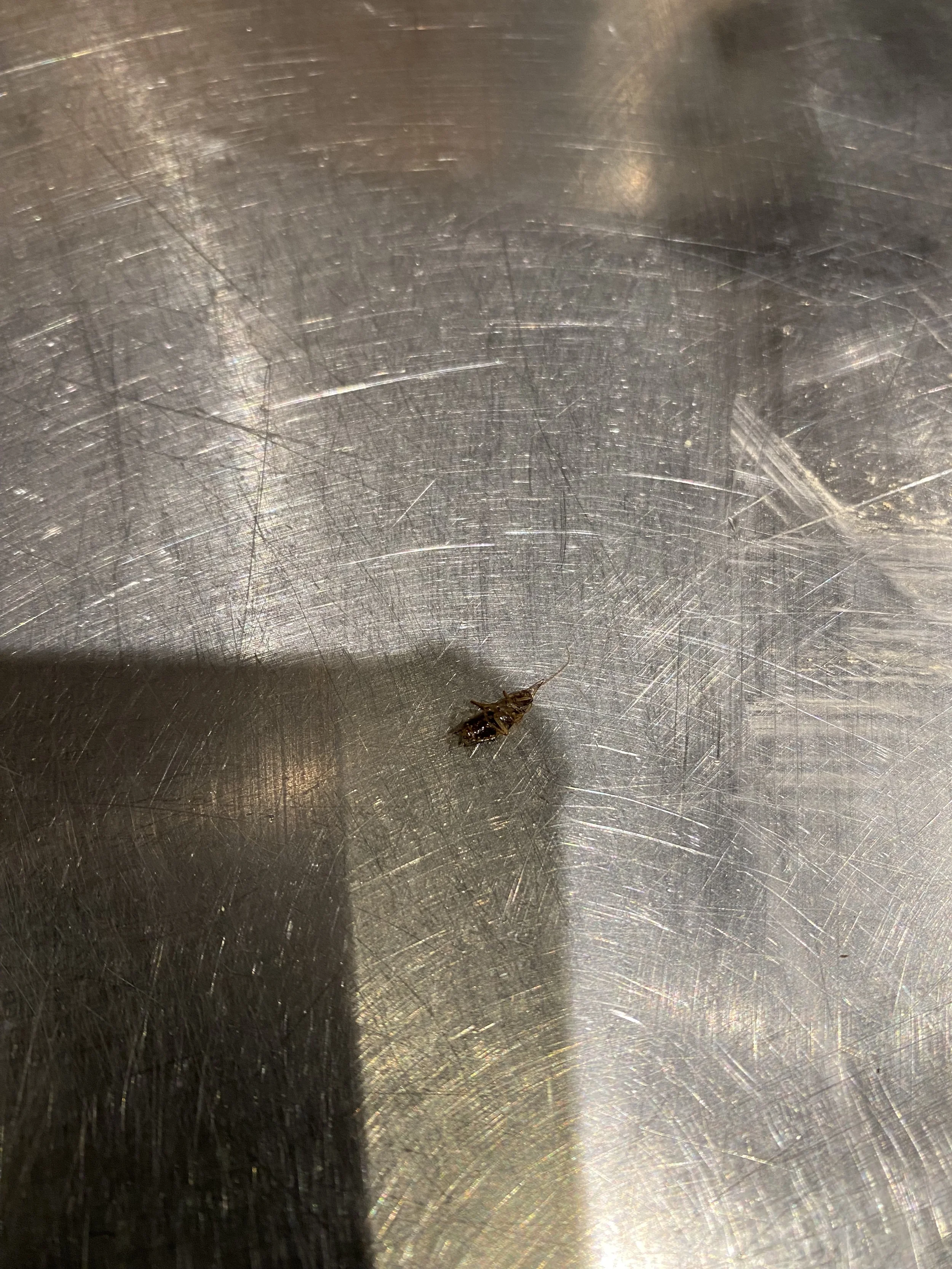
Many people assume these are “baby cockroaches,” but in fact they are nymphs: young German cockroaches that signal an established infestation nearby. Seeing them is usually a sign that the problem is already well underway.
How German Cockroaches Get Into Your Home
One of the most common scenarios we see is hospitality workers bringing cockroaches home from their workplace. Kitchens, bars, and food preparation areas are high-risk environments, and it only takes one or two hitchhikers hidden in a bag or on clothing to introduce them into a household.
But this isn’t the only way they spread. German cockroaches can also enter through:
Shopping bags that carry more than groceries
Food delivery packaging that has been exposed to infested areas
Neighbouring apartments, where infestations can easily travel between shared walls and pipework
Understanding these entry points helps reduce the chance of introducing cockroaches in the first place.

How to Identify German Cockroaches
German cockroaches are smaller than most native species. Adults are light brown with two dark stripes behind the head and measure about 1.3–1.6 cm. Nymphs are much smaller and darker, often appearing almost black.
If you’re spotting them during the day, it usually means their usual hiding places are overcrowded. In other words, there are likely many more you cannot see.

Why DIY Baits Often Fall Short
It’s natural to reach for supermarket baits or sprays when you first notice cockroaches. But German cockroaches are well known for developing resistance to many of these common products.
Even if you see a temporary drop in numbers, DIY baits rarely eliminate the hidden nests behind walls, cupboards, and appliances. This is why infestations often return within weeks.
Professional treatments use targeted products and application methods that are both more effective and safe for your home and family.
Signs of an Infestation
You may be dealing with a German cockroach infestation if you notice:
Frequent sightings of small brown or black cockroaches in the kitchen or bathroom
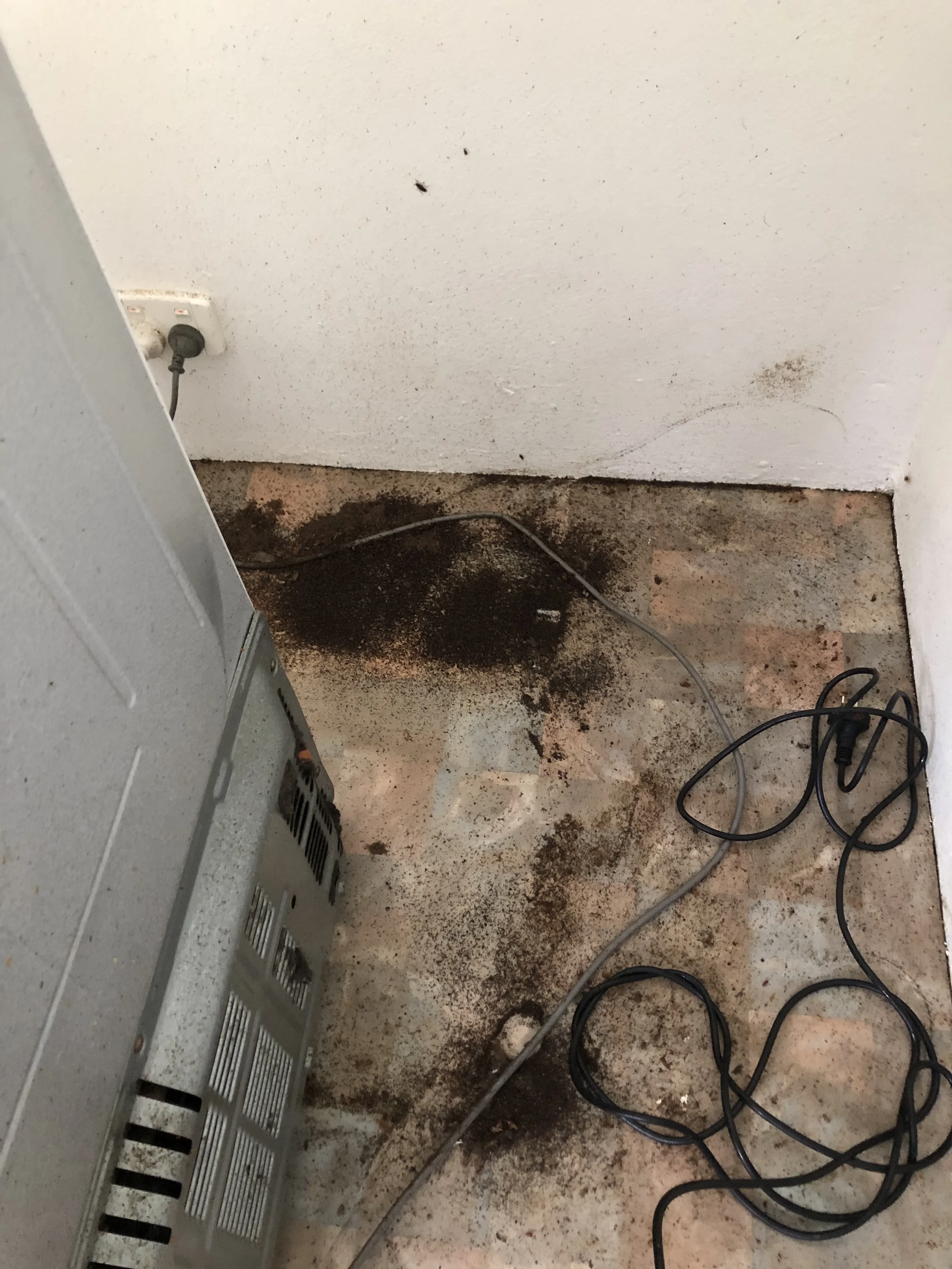
Fine droppings that resemble ground black pepper in cupboards or near appliances
Egg cases tucked into corners, under shelves, or behind appliances
A musty or oily odour around infested areas
What to Do Next
A professional treatment is the most reliable way to remove German cockroaches. At Gladiator, our two-treatment program, carried out in two-week intervals, is designed to break the breeding cycle and ensure long-lasting results.
To support this process, we also recommend:
Wiping down surfaces and removing food scraps daily
Emptying bins frequently
Sealing cracks and gaps in kitchens to eliminate harbourages where infestations can begin
Avoiding leaving pet food or water out overnight
Before treatment, we ask customers to empty under-sink cupboards and any surrounding storage areas. This allows our technicians to access cracks, crevices, and hidden harbourages for a thorough application.

Not Just a Household Issue
While German cockroaches are a common problem in homes, they are also a serious concern for restaurants, cafés, and food service businesses. In these environments, infestations not only affect hygiene but also reputation and compliance.
Whether residential or commercial, our approach is the same: discreet, professional, and effective.

German cockroaches can feel like an overwhelming problem, but they don’t have to be. With the right treatment and a few simple habits, your home or business can be free from these pests.
At Gladiator Pest Solutions, we provide discreet, professional treatments that don’t rely on scare tactics. Just steady, effective protection you can count on.
If you’re noticing signs of German cockroaches in your home or workplace, now is the right time to act.

FAQs
Are German cockroaches dangerous to humans?
Yes. German cockroaches can spread bacteria such as Salmonella and E. coli, and their droppings and shed skins may trigger allergies or asthma in sensitive individuals.
Can I get rid of German cockroaches myself?
Supermarket sprays and baits may reduce numbers temporarily, but they rarely eliminate the hidden nests behind walls and appliances. Professional treatment is the most reliable way to break the breeding cycle.
How do German cockroaches spread between apartments?
They can travel easily through shared plumbing, cracks, and electrical conduits. In units or terraces, one neighbour’s infestation often spreads to others if not managed quickly.
What should I do before a professional cockroach treatment?
We recommend emptying under-sink cupboards and surrounding storage areas so our technicians can access all cracks and crevices. Keeping surfaces clean and sealing gaps will also support the treatment’s success.