Reputation Starts Behind the Kitchen Door
One pest sighting can undo trust. Learn why steady, ongoing pest care keeps hospitality businesses safe.
In hospitality, reputation is everything. Customers may forget a long wait or a minor mix-up, but one sighting of a cockroach or rodent is remembered — and often shared online. For restaurants, cafés, and bars, pest management is not just about hygiene. It is about protecting the trust of every guest who walks through the door.
At Gladiator Pest Solutions, we work with hospitality operators across Sydney who understand that pest control cannot be a one-off response. It needs to be ongoing, proactive, and tailored to the unique pressures of food service environments.
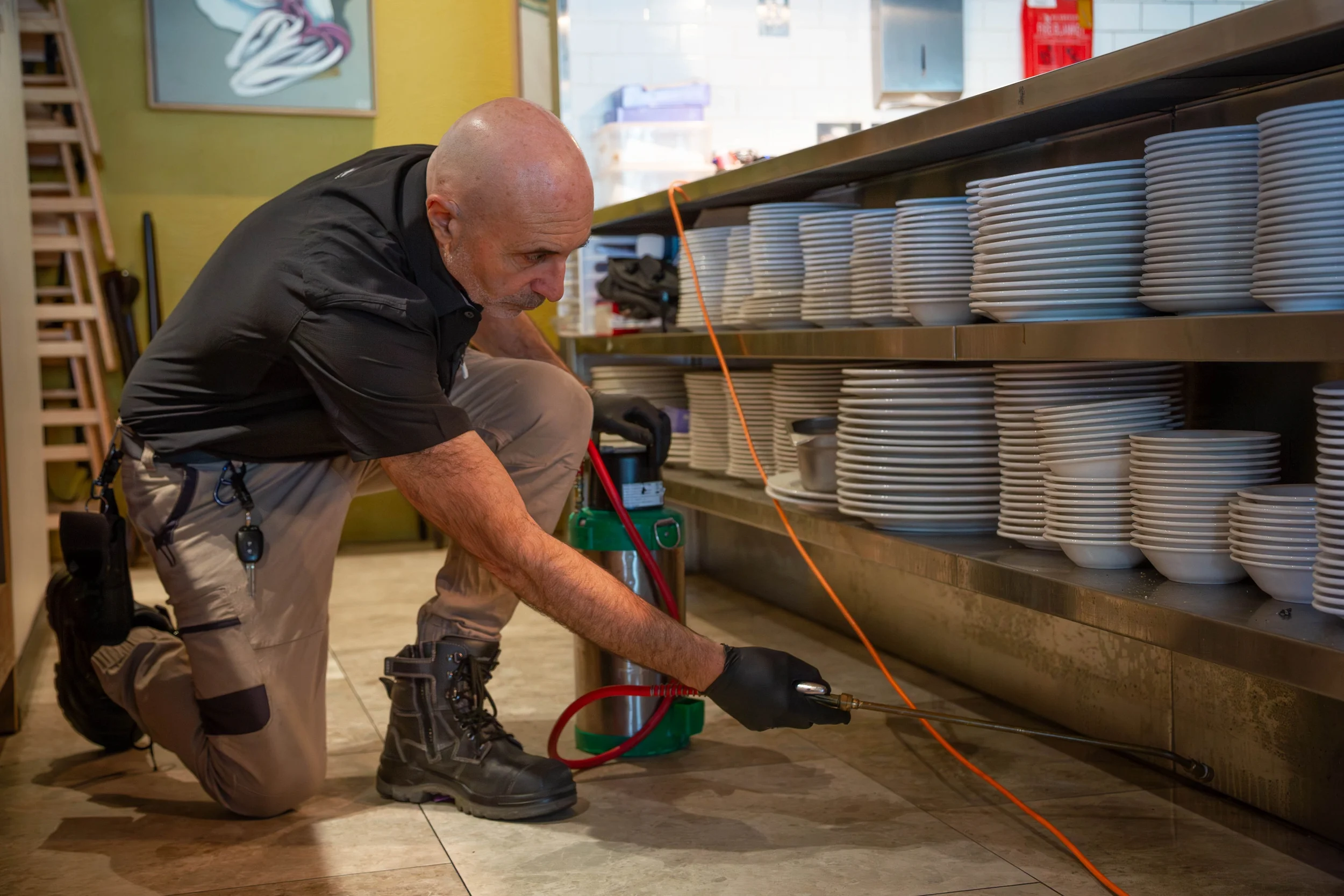
Why Integrated Pest Management Matters
An Integrated Pest Management (IPM) program combines monitoring, prevention, and treatment to provide lasting protection. In hospitality, where food storage, preparation, and waste all create opportunities for pests, IPM is far more effective than reactive treatments.
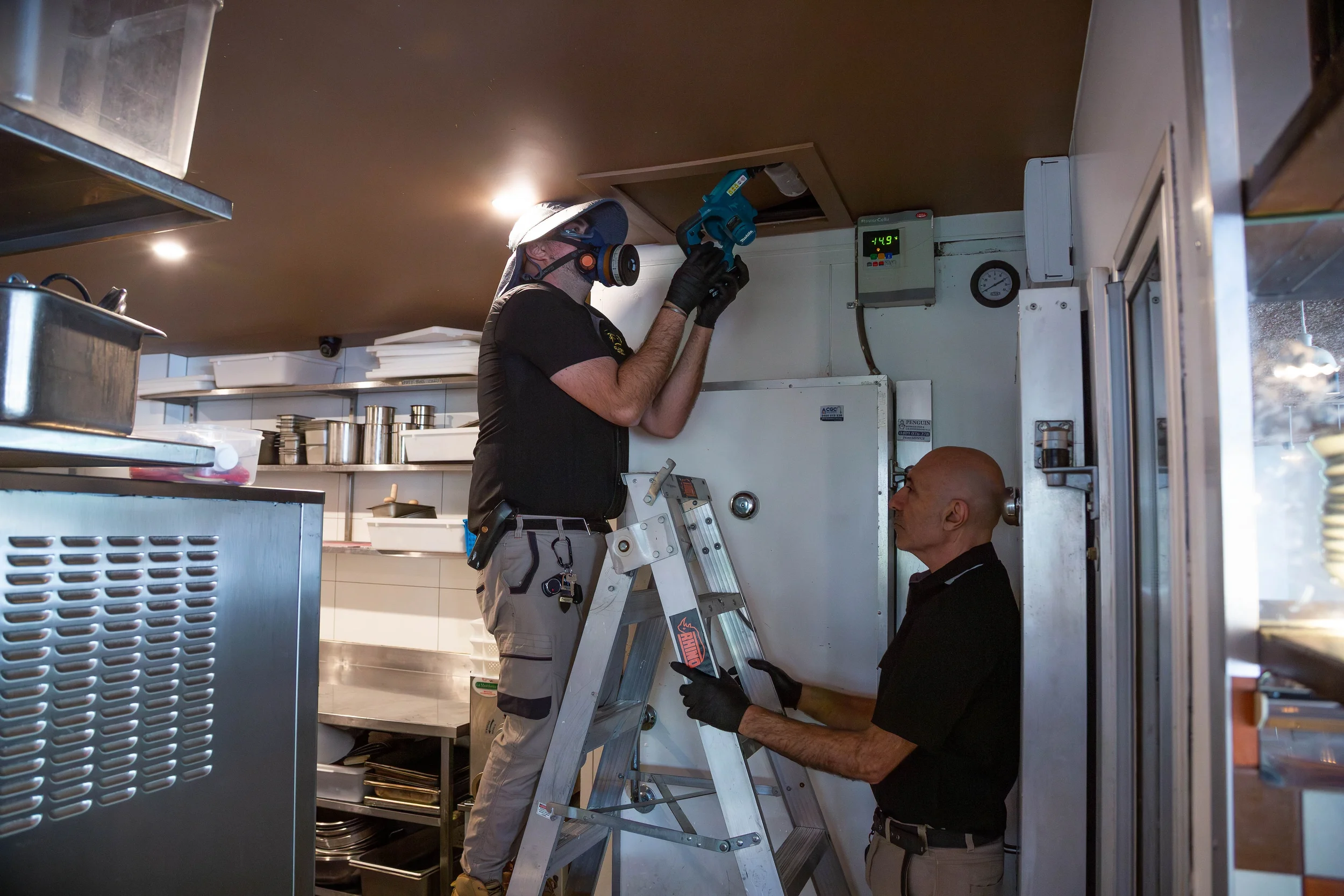
By regularly inspecting kitchens, storage areas, and service spaces, we can address issues before they escalate. This approach minimises disruption to operations while maintaining compliance with strict food safety standards.

Common Risks in Hospitality
Stored product pests – Flour, pasta, grains, and cereals are highly susceptible to infestation by beetles and moths. Left unchecked, these pests can spread quickly and contaminate large quantities of stock.
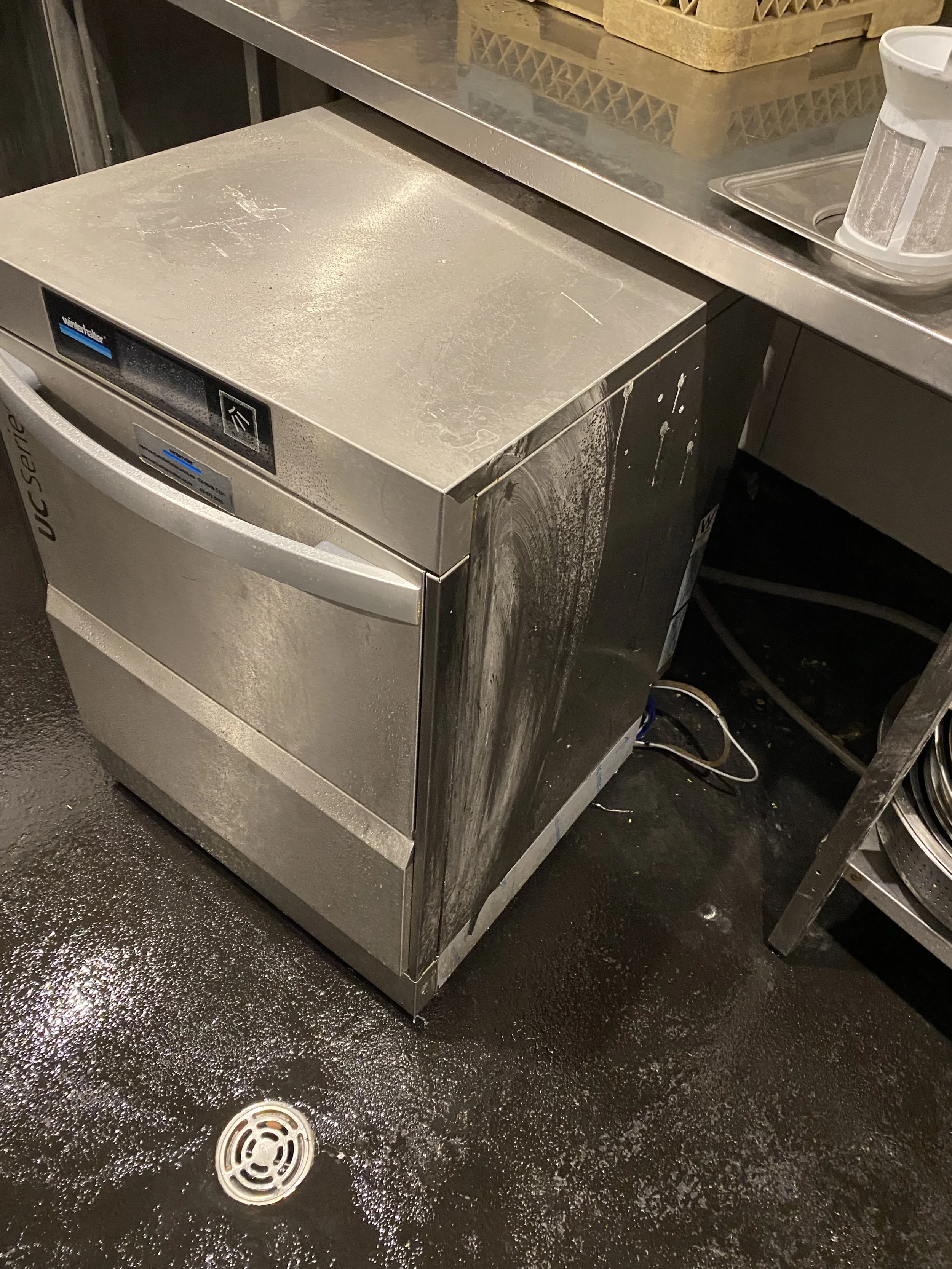
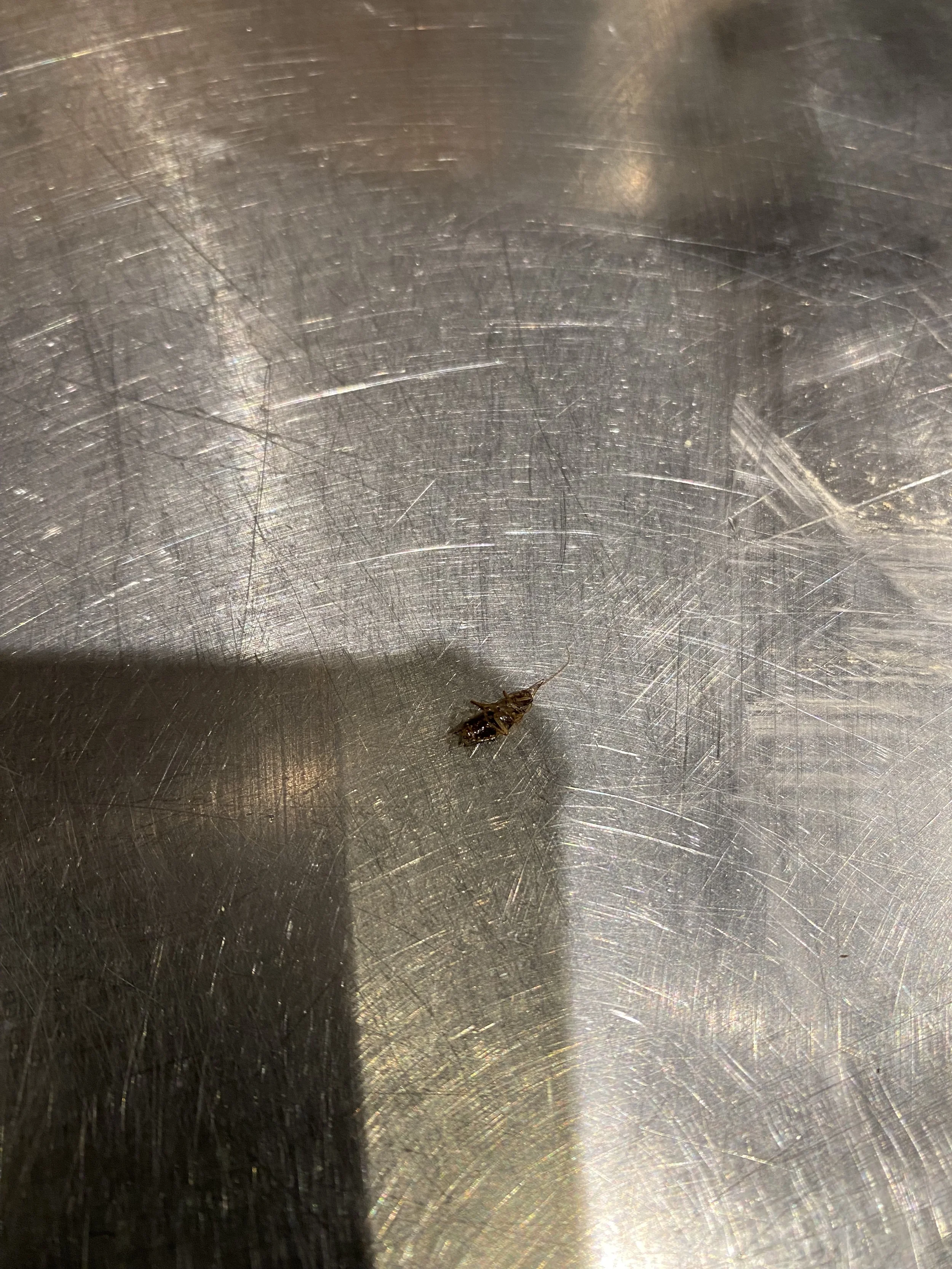
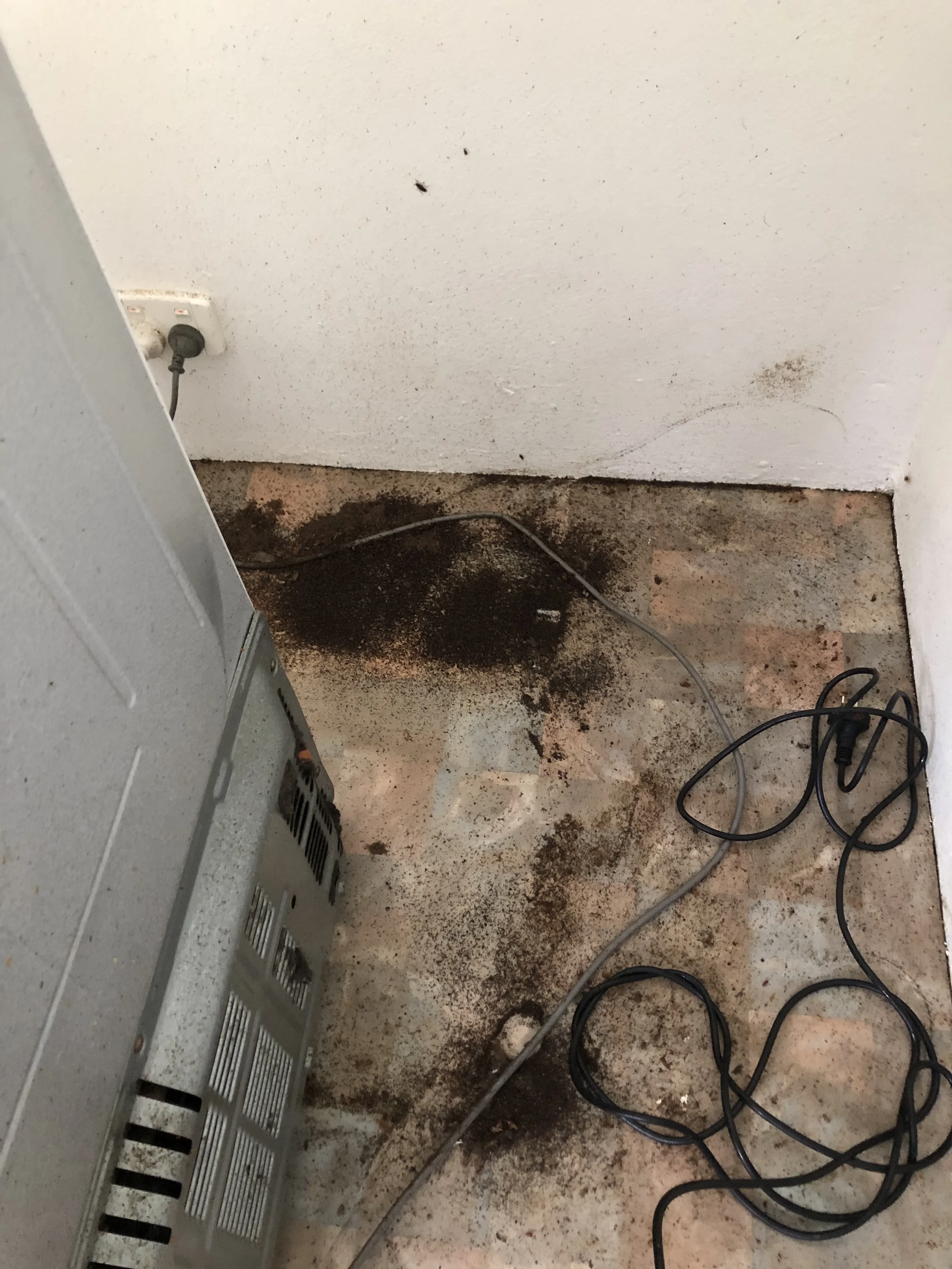
Uncovered food – Open preparation areas are vulnerable to flies and cockroaches, especially in warmer months.
Rodents – Even the smallest gaps can allow entry. Once inside, rodents can damage packaging, contaminate food, and create compliance risks.

How Often Should Hospitality Venues Be Serviced?
The right frequency depends on the business type, its size, and the level of risk. For most restaurants and cafés, a monthly service is ideal to stay ahead of activity. In some cases, quarterly inspections may be sufficient, but we recommend shorter intervals for high-turnover venues or those with previous pest issues.
Seasonality also plays a role. For example:
Cockroaches and flies are most active in summer.
Rodents often seek warmth and shelter indoors in winter.
A proactive plan ensures your venue stays protected year-round.
Lasting Protection for Your Business
Hospitality is fast-paced and demanding. The last thing any operator needs is a pest issue threatening compliance or customer trust. With ongoing management, these risks can be handled quietly and effectively in the background — so your team can focus on what matters most: your customers.
FAQs
What is Integrated Pest Management (IPM)?
It is a proactive approach that combines monitoring, prevention, and treatment to manage pests safely and effectively over time.
How often should restaurants have pest control?
Most venues should be serviced monthly. For lower-risk sites, quarterly inspections may be enough, but high-turnover kitchens benefit from monthly visits.
Are stored product pests common in restaurants?
Yes. Pests such as beetles and moths are often found in flour, pasta, and grain storage. Regular checks and treatments help prevent costly contamination.