The Hidden Cost of Birds for Businesses
In most industrial environments, efficiency is everything. Stock moves quickly, machinery runs constantly, and teams are focused on keeping things flowing smoothly. What often goes unnoticed, at least until it becomes a problem, are the birds that slip through roller doors or nest in overhead beams.
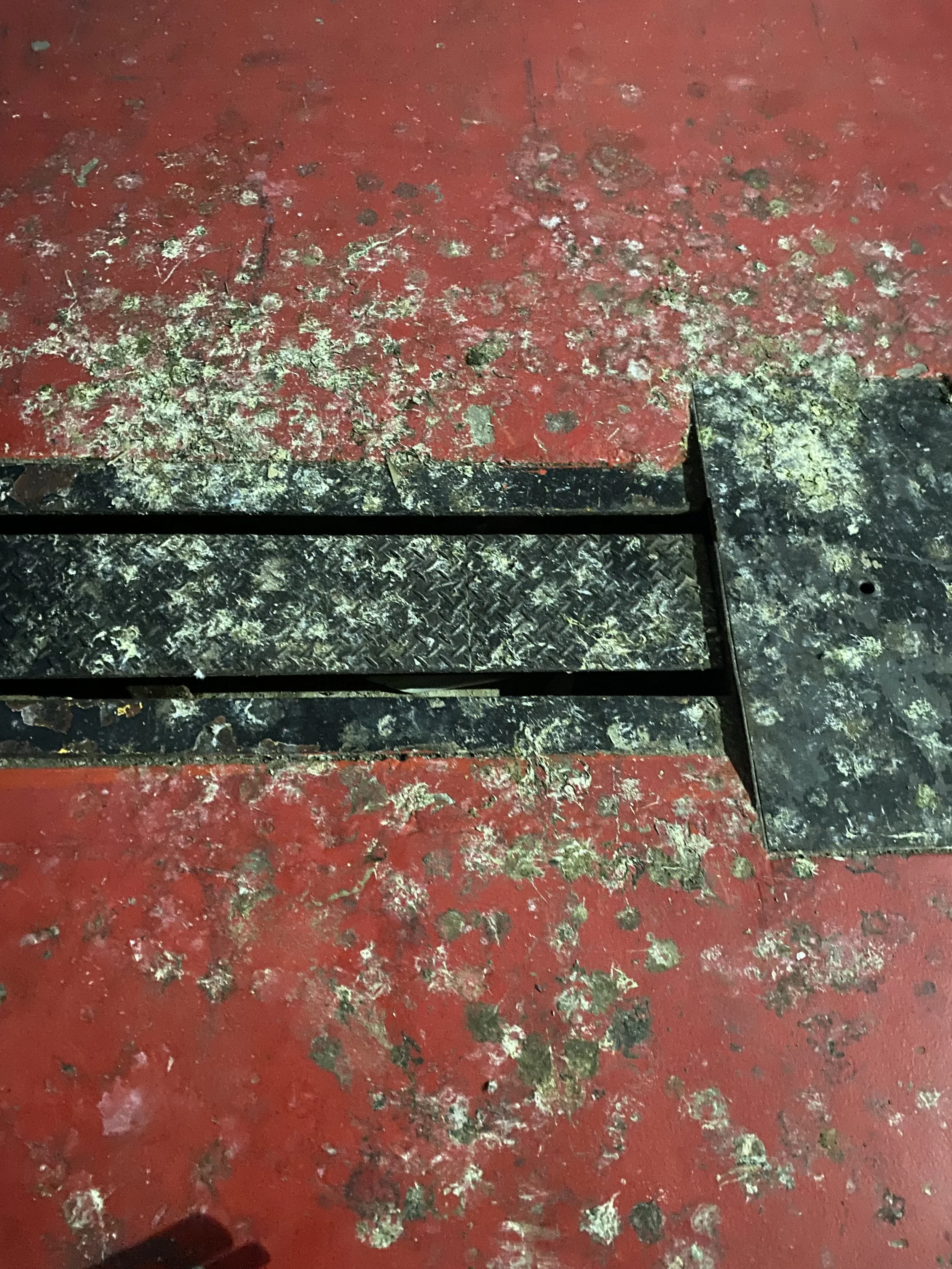
At first, their presence seems minor. A pigeon perched high up doesn’t feel like much of a concern. But over time, those small interruptions add up. Droppings, feathers, and nesting debris don’t just make a space untidy. They can compromise stock, equipment, and compliance.
One of our long-term clients, VISY Industries, a leader in packaging and resource recovery across Australia, experienced this challenge firsthand. In one of their facilities, a number of pigeons found their way inside. At first it seemed minor, but before the issue was fully recognised, more than $50,000 worth of stock had to be written off. Perfectly good goods, wasted simply because of bird contamination.
Since then, we’ve worked with VISY to manage bird numbers carefully, ensuring operations continue without disruption while protecting both their stock and their reputation.
The Risks Birds Bring
Birds in industrial spaces can create challenges such as:
Contamination from droppings and feathers that spoil goods
Health concerns from bacteria and allergens that affect staff safety
Equipment issues when nests block vents or machinery
Compliance risks for food production and packaging businesses
These risks are real, but they don’t need to feel overwhelming. With the right systems in place, they can be managed quietly and effectively.
Practical Solutions
Every site requires a tailored approach, but some of the most reliable methods include:
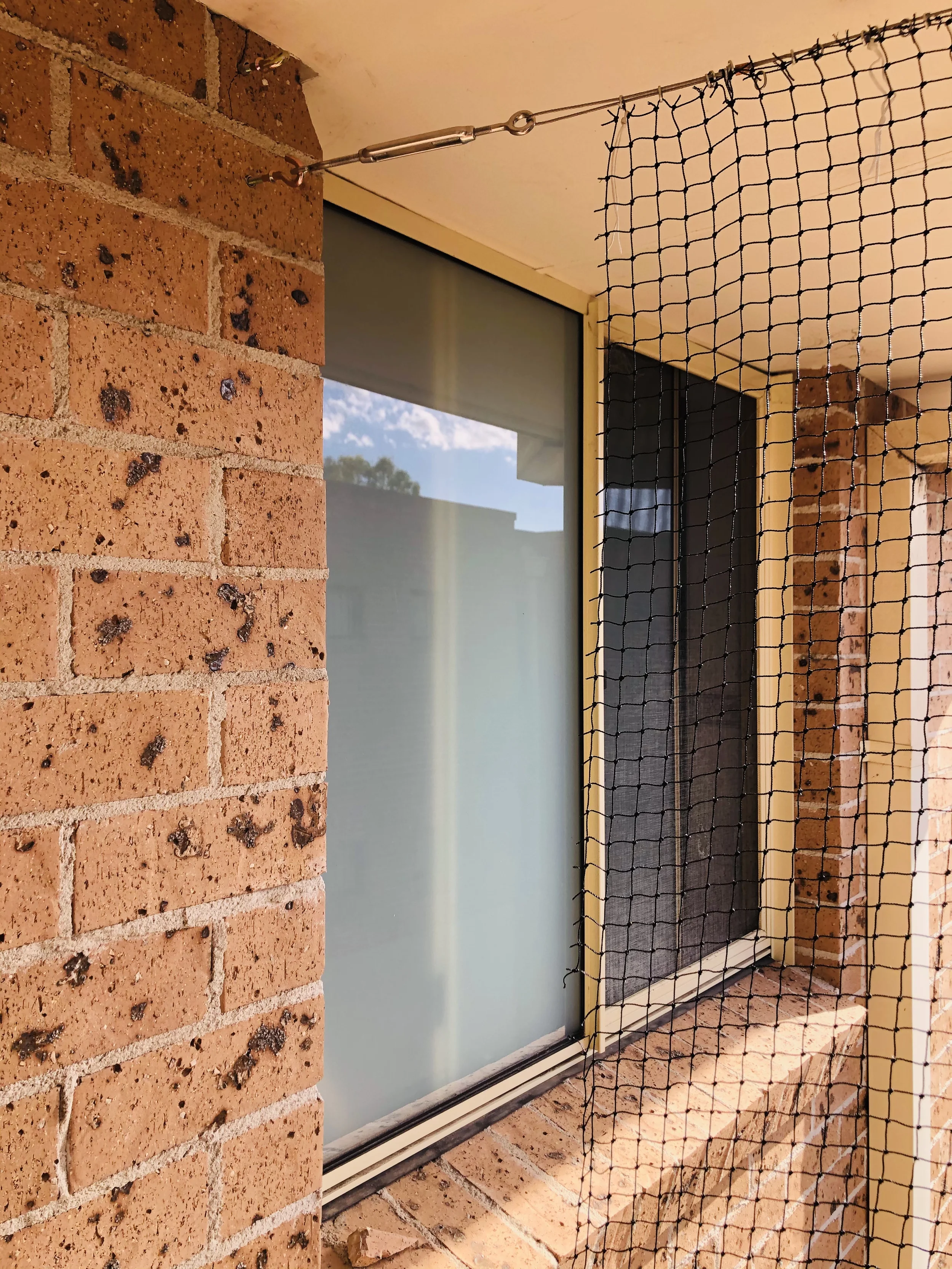
Netting to prevent birds from accessing sensitive areas
Trapping programs that reduce numbers without interrupting operations
OVO control, which humanely prevents eggs from hatching to manage populations over time
Targeted reduction measures, used only when necessary, always with care, and always as a last resort to protect stock and staff
Often, these strategies are combined to create a solution that works for the unique layout and needs of each business.

A Simple Everyday Step
While professional systems are key, small habits make a difference too. One of the most effective is also the simplest: keeping roller doors closed whenever possible. This alone prevents countless birds from making their way inside.
Lasting Protection
Bird control does not need to be loud or dramatic. Done well, it simply creates the kind of environment where business can run as it should, with stock protected, staff safe, and compliance maintained.
That is the role we play for our industrial clients across Sydney’s East. We do not overcomplicate things, and we do not rely on scare tactics. Instead, we provide steady, reliable protection that lets businesses focus on what matters most.
If birds are beginning to appear in your facility, now is the time to act, calmly and confidently. With the right measures in place, they will not become a problem you have to think about again.
FAQs
Are bird droppings a health risk in warehouses?
Yes. Bird droppings can carry bacteria and fungi that may cause respiratory issues or spread disease. They can also contaminate stock and surfaces, creating hygiene concerns.
What is the best way to keep birds out of an industrial facility?
The most effective approach is a combination of methods, such as netting to block access, trapping programs, and population control systems like OVO. Keeping roller doors closed whenever possible also makes a big difference.
Is bird culling always necessary?
No. Culling is only considered when other deterrents and control measures are not enough to protect health, safety, and stock. In most cases, humane prevention and management strategies are effective.