As temperatures begin to fall across Sydney, pest activity does not disappear. Instead, it relocates.
When outdoor conditions become colder, wetter, and less predictable, many pests begin searching for environments that offer greater stability. Much like any living creature responding to seasonal change, they gravitate toward spaces that provide warmth, protection, and reliable access to food.
Residential and commercial structures often provide exactly that.
By the time activity becomes noticeable, pests have usually been present for some time.
For a broader seasonal overview, visit our Ultimate Guide to Winter Pest Control in Sydney.
Why Pest Behaviour Shifts in Winter
Winter is less about pests suddenly appearing and more about pests becoming better hidden.
Rainfall can flood burrows. Food sources become less dependable. Exposure to predators increases as ground cover changes.
Structures solve these problems efficiently.
Roof cavities, wall voids, subfloors, and storage areas tend to maintain more consistent temperatures while offering minimal disturbance.
Across Sydney, technicians commonly observe increased indoor activity following the first sustained run of cold nights.
Once a pest identifies a reliable shelter, it is unlikely to abandon it voluntarily.
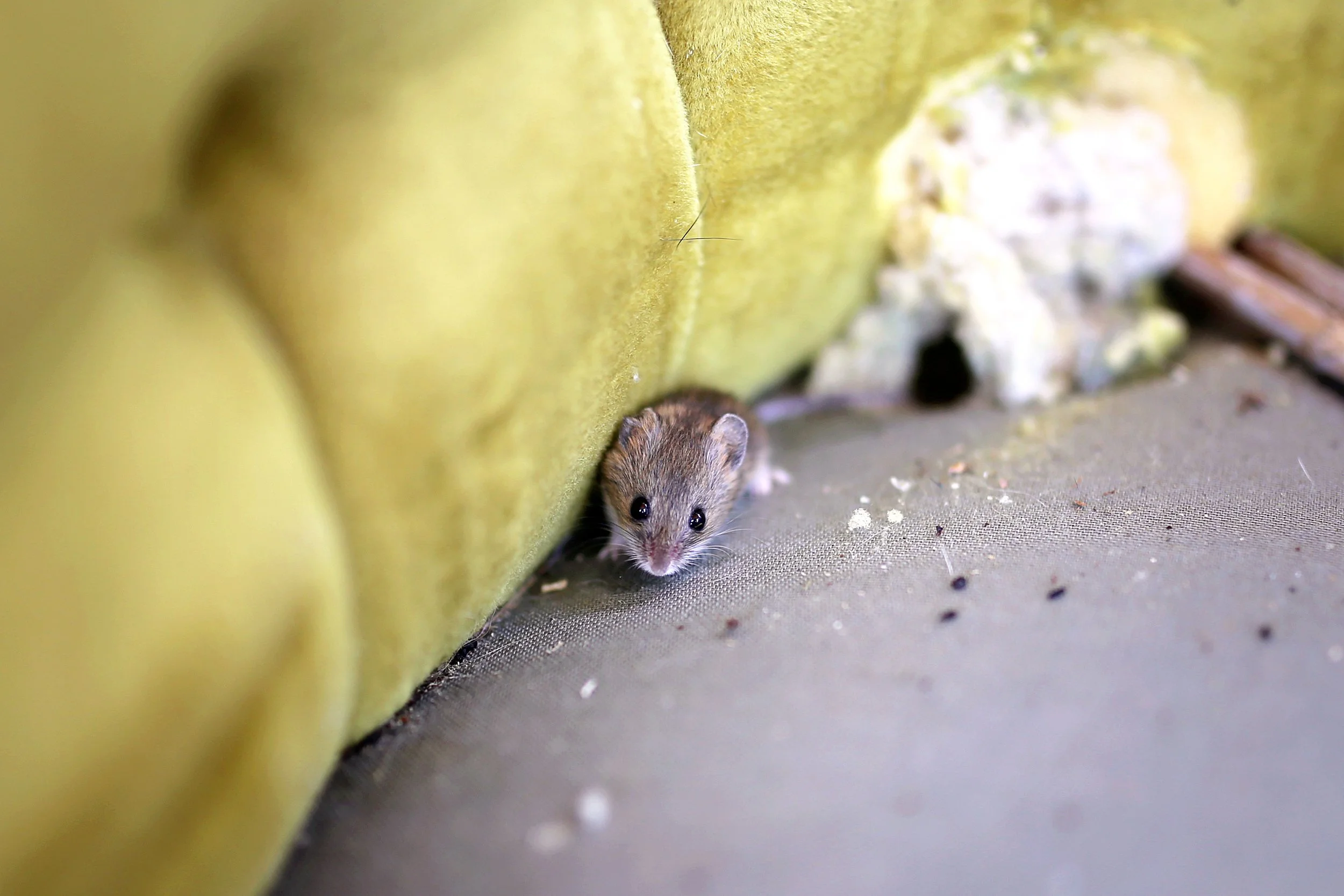
Rodents: The Most Consistent Winter Invaders
Rats and mice remain the leading cause of winter callouts throughout metropolitan Sydney.
Roof rats are particularly well adapted to urban environments and are highly capable climbers. Vegetation positioned near the gutter line often functions as an unnoticed access path, allowing rodents to reach roof spaces without difficulty.
Many infestations begin quietly. Homeowners often report hearing movement only after nesting has already been established.
Early indicators may include droppings in garages, faint nocturnal activity, grease marks along surfaces, or pets showing unusual interest in ceilings.
Because rodents must continually gnaw to manage tooth growth, technicians frequently uncover disturbed insulation and damaged wiring once activity is confirmed.
Arranging a pre-winter pest inspection can help identify these entry points before populations expand.
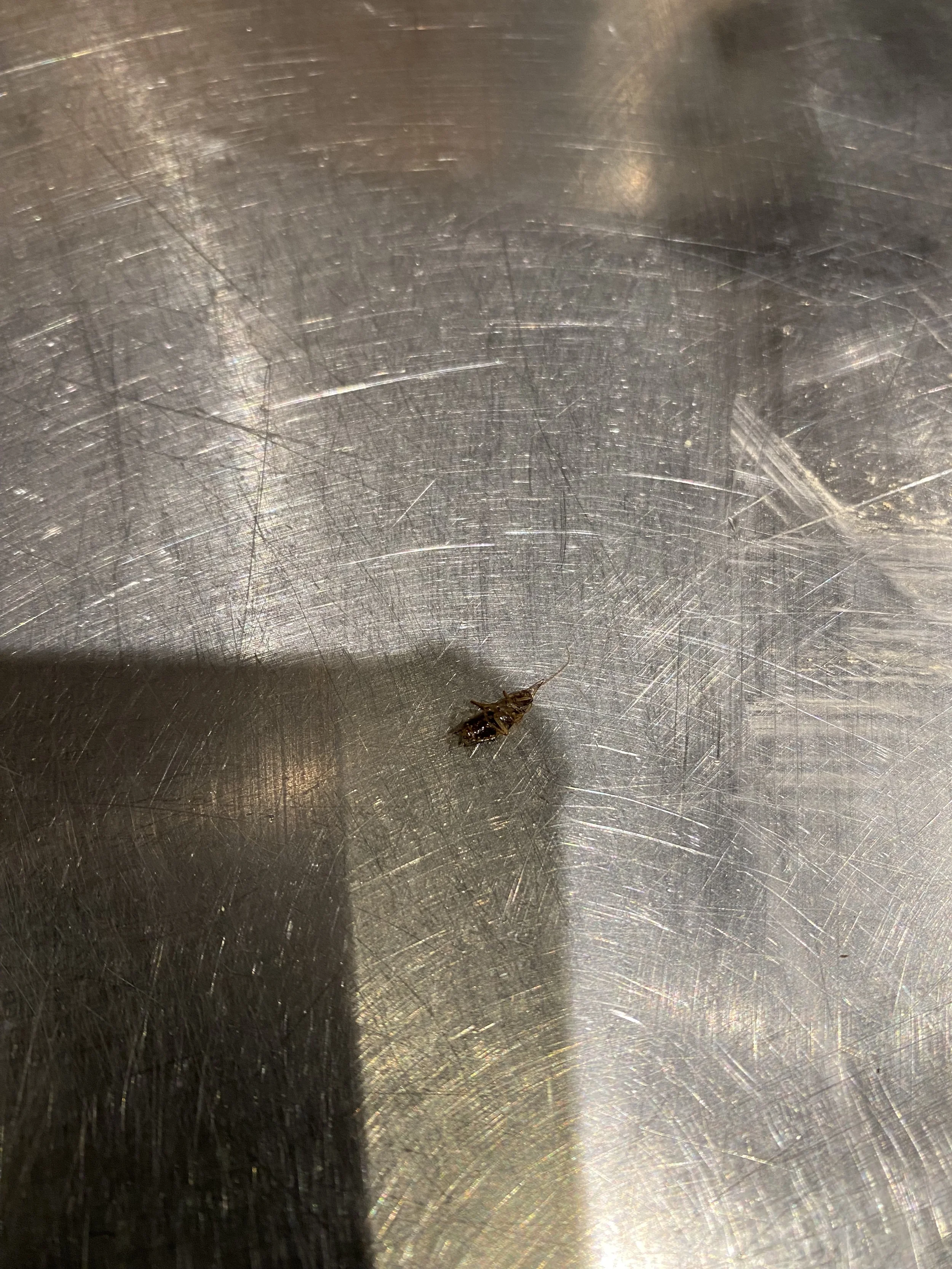
Cockroaches: Persistent Indoor Survivors
A common assumption is that cockroach problems disappear during colder months. In practice, they often become more settled indoors.
As temperatures fall, cockroaches gravitate toward kitchens, laundries, bathrooms, and appliance cavities where warmth and moisture remain stable.
Homes typically stay closed more often in winter, reducing airflow and creating environments where low-level activity can persist unnoticed.
Once established indoors, certain species can remain active throughout the year.
Spiders: Following Their Food Source
Spider visibility often increases during winter, though not necessarily because populations surge.
Spiders tend to follow the insects they feed on. When smaller pests relocate indoors, spiders naturally move with them.
Webs may also become more noticeable as indoor air movement decreases.
Properties near bushland or dense vegetation often experience this shift more noticeably.
Silverfish: Quiet but Well Suited to Winter Conditions
Silverfish thrive in humid, low-disturbance environments such as subfloors, bathrooms, roof voids, and storage areas.
Winter condensation can improve survival conditions, allowing populations to persist without drawing much attention.
While rarely urgent, untreated activity often becomes a longer-term frustration for homeowners.
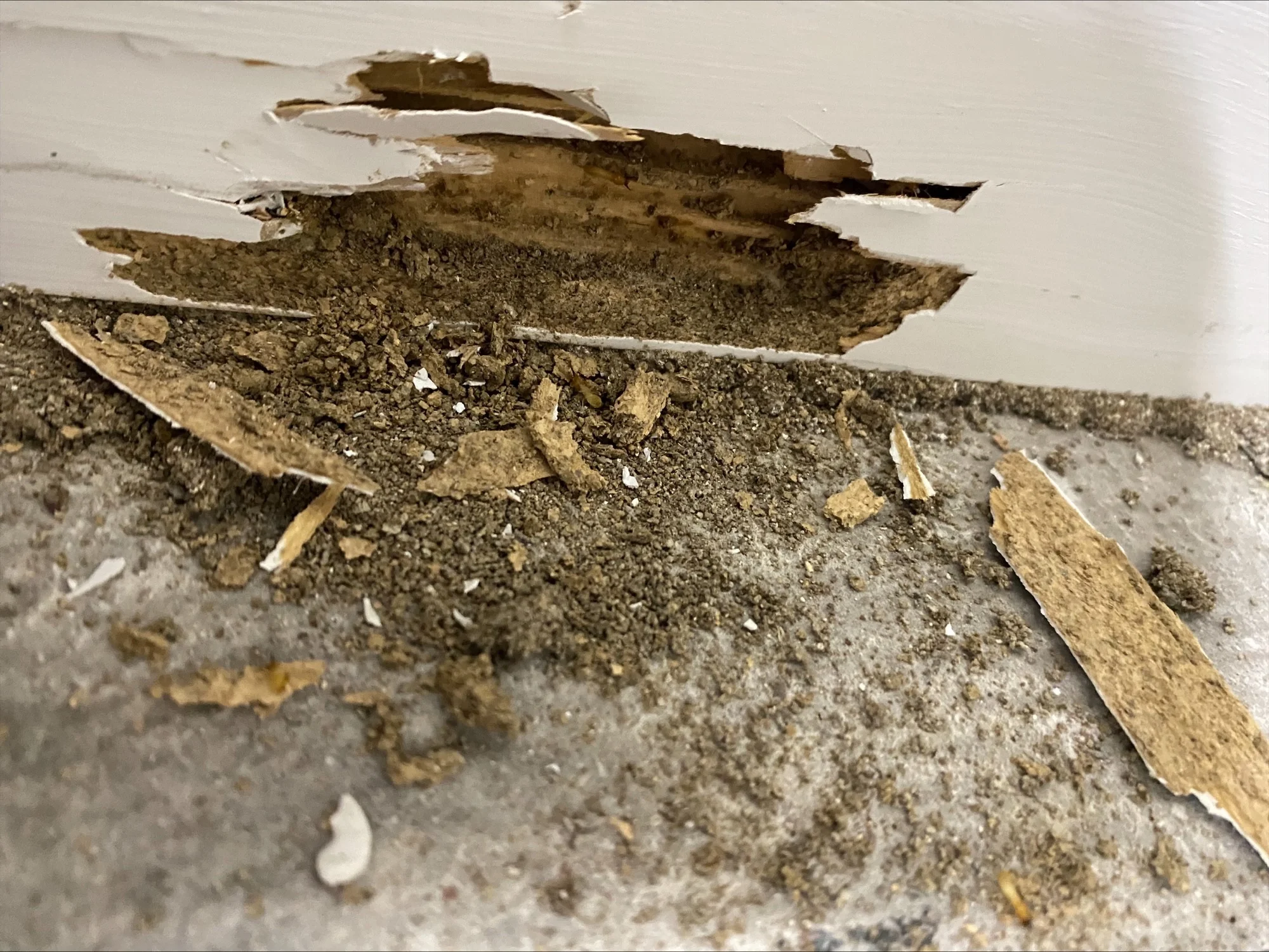
Termites: Active Regardless of Season
Another widespread misconception is that termite activity slows in winter.
Subterranean termites remain active below ground, where soil temperatures stay relatively stable even as surface conditions cool.
Technicians continue detecting termite movement throughout colder months, particularly in properties with untreated timber or moisture exposure.
Seasonal inspections remain one of the most reliable ways to identify activity early.

Birds: Establishing Reliable Shelter
Winter conditions can increase the appeal of structures for birds seeking protection from wind and rain.
Once birds begin returning to a building consistently, the behaviour tends to reinforce itself.
Early deterrence is significantly easier than managing an established roosting site.
For commercial properties, our guide to Commercial Pigeon Control explores prevention strategies in greater detail.
Early Signs Worth Paying Attention To
Winter infestations rarely begin dramatically. Subtle signals usually appear first.
Watch for:
• scratching within ceilings or walls
• droppings in storage areas
• unusual odours
• grease marks
• visible nesting materials
• insect activity in low-disturbance zones
Recognising these indicators early often prevents a manageable issue from becoming more disruptive.
Prevention Begins With Awareness
Once pests secure a sheltered nesting site, activity can continue largely out of view.
Simple adjustments can significantly reduce risk:
Trim vegetation back from the roofline.
Seal visible structural gaps.
Keep storage areas organised.
Remove accessible food sources.
Address moisture where possible.
Many homeowners choose to arrange a seasonal inspection for added reassurance before winter conditions intensify.
Staying Ahead of Winter Pest Activity
Winter pest control is ultimately about awareness and early attention rather than reaction.
Understanding why pests relocate during colder months allows property owners to address small vulnerabilities before they develop into more disruptive problems.
For many Sydney homeowners, the greatest reassurance comes from knowing their property has been professionally assessed ahead of the season.
If you would like clarity around your home’s current exposure, the team at Gladiator Pest Solutions can provide a thorough inspection and practical guidance tailored to your property.
Thoughtful preparation now often prevents far greater inconvenience later, helping you move through winter with greater confidence in the safety and comfort of your home.