In NSW, landlords are generally responsible for making sure a rental property does not have an existing pest or vermin problem when a tenancy begins. Once the tenant has moved in, responsibility becomes more dependent on what is causing the problem.
Tenants can be responsible where an infestation develops because of their activities or lack of cleanliness, while landlords can remain responsible where an issue with the property is allowing pests in or contributing to the infestation.
So before deciding who should organise or pay for pest control, it helps to understand why the pests are there.
A mouse entering through a hole in the building and mice being attracted by rubbish inside the home may result in the same complaint, but they are not necessarily the same pest problem or the same responsibility.
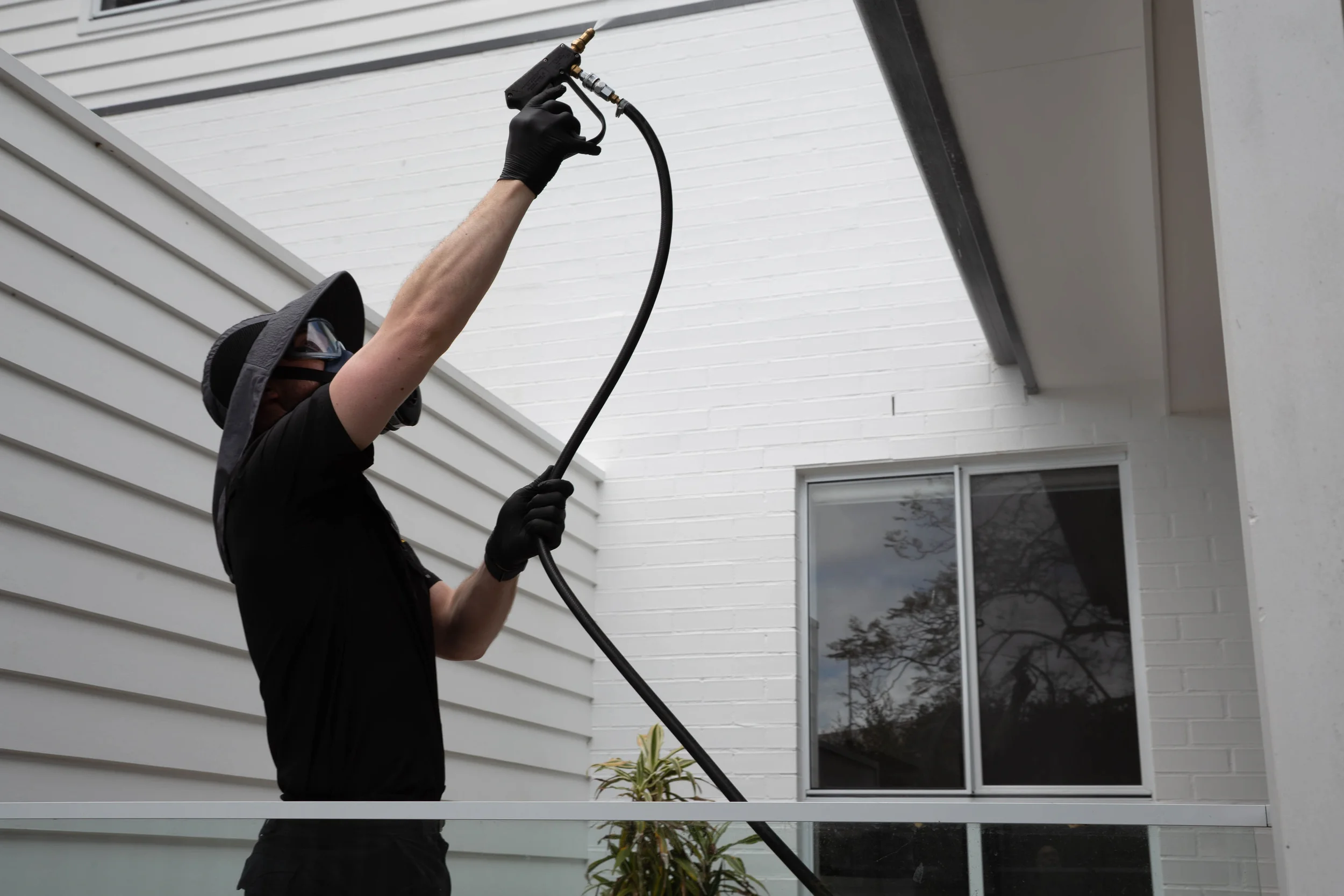
When is the landlord responsible?
NSW Government guidance says landlords are generally responsible for pest and vermin problems present at the beginning of a tenancy. A property issue that allows pests to enter or an infestation to develop can also point towards landlord responsibility.
This is why simply treating the pest may not always resolve the problem. If rodents are accessing a roof through a building defect, for example, controlling the rodents while leaving the entry point open does not address the whole issue.
When can it become the tenant’s responsibility?
Tenants are generally responsible where a pest problem develops after they move in and has been caused by their activities or lack of cleanliness. NSW Government gives the example of rubbish being left in a way that attracts cockroaches, ants or mice.
The cause matters more than simply how long the tenant has been living there. If responsibility is unclear, the property’s history, condition report and circumstances outside the tenant’s control may all be relevant.
For agents looking at how to reduce these grey areas across a rent roll, How Property Managers Can Reduce Repeat Pest Complaints looks at the more proactive approach.
What about preventative pest treatment?
There is no blanket NSW rule requiring every tenant to organise and pay for an annual general pest treatment. Preventative servicing and treatment of an actual infestation are different things.
Some owners may choose to keep a property on a preventative schedule, particularly where there is a history of recurring pests. When an infestation actually develops, responsibility should be considered based on the circumstances rather than assuming every pest treatment automatically belongs to one party.
What happens if nobody agrees?
If the landlord and tenant cannot resolve a disagreement themselves, NSW Fair Trading offers a residential tenancy complaint service. The process is voluntary and Fair Trading cannot make binding orders or force either party to resolve the complaint.
If agreement still cannot be reached, the matter can be taken to the NSW Civil and Administrative Tribunal, which can make binding orders.
From a pest-control perspective, establishing the cause as early as possible can make all of these conversations much clearer. Identify what is present, where it is coming from and whether conditions within the property are contributing before simply deciding who should pay for a spray.
This article provides general information only and is not legal advice. NSW tenancy laws and guidance can change. Always refer to the current NSW Government guidance or seek professional advice for your circumstances.