Rodents In Roofs & Walls As The Weather Cools
As nights get colder in Sydney, it is common to start hearing scratching or scurrying in the roof or walls.
Often, those sounds are rodents.
Rats and mice dislike the cold. When temperatures drop, they look for warmth, shelter and easy access to food and water. Roof voids, subfloors and wall cavities are ideal.
Why rodents move inside in cooler months
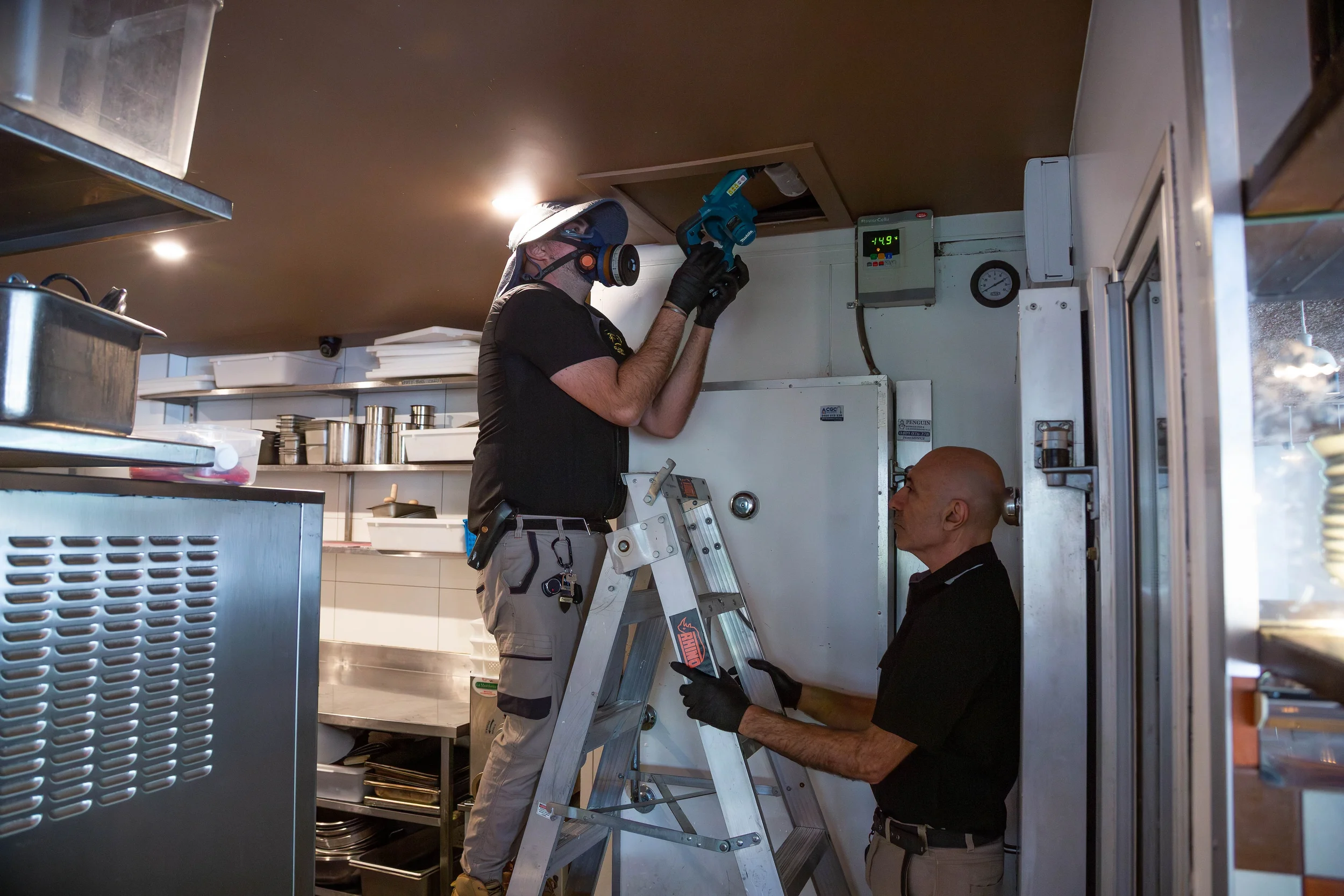
During the warmer months, rodents may live outdoors in gardens, drains, sheds and nearby structures. As conditions change, they often shift to the internal structure of homes and other buildings.
They are attracted by:
Warm air rising into roof spaces
Stored items and insulation that provide nesting material
Gaps under doors and around services that make entry easy
Once inside, they can damage wiring and insulation, contaminate surfaces and create noise and odours.
Common warning signs of rodent activity
Early signs that rodents may have moved in include:
Scratching, gnawing or scurrying sounds in the roof or walls, especially at night
Droppings in cupboards, pantries, garages or sheds
Gnaw marks on food packaging, timber, plastic or cables
Greasy rub marks along walls and beams on common travel paths
If you notice any of these indicators, it is worth taking action before numbers increase.
How rodent baiting and treatment works
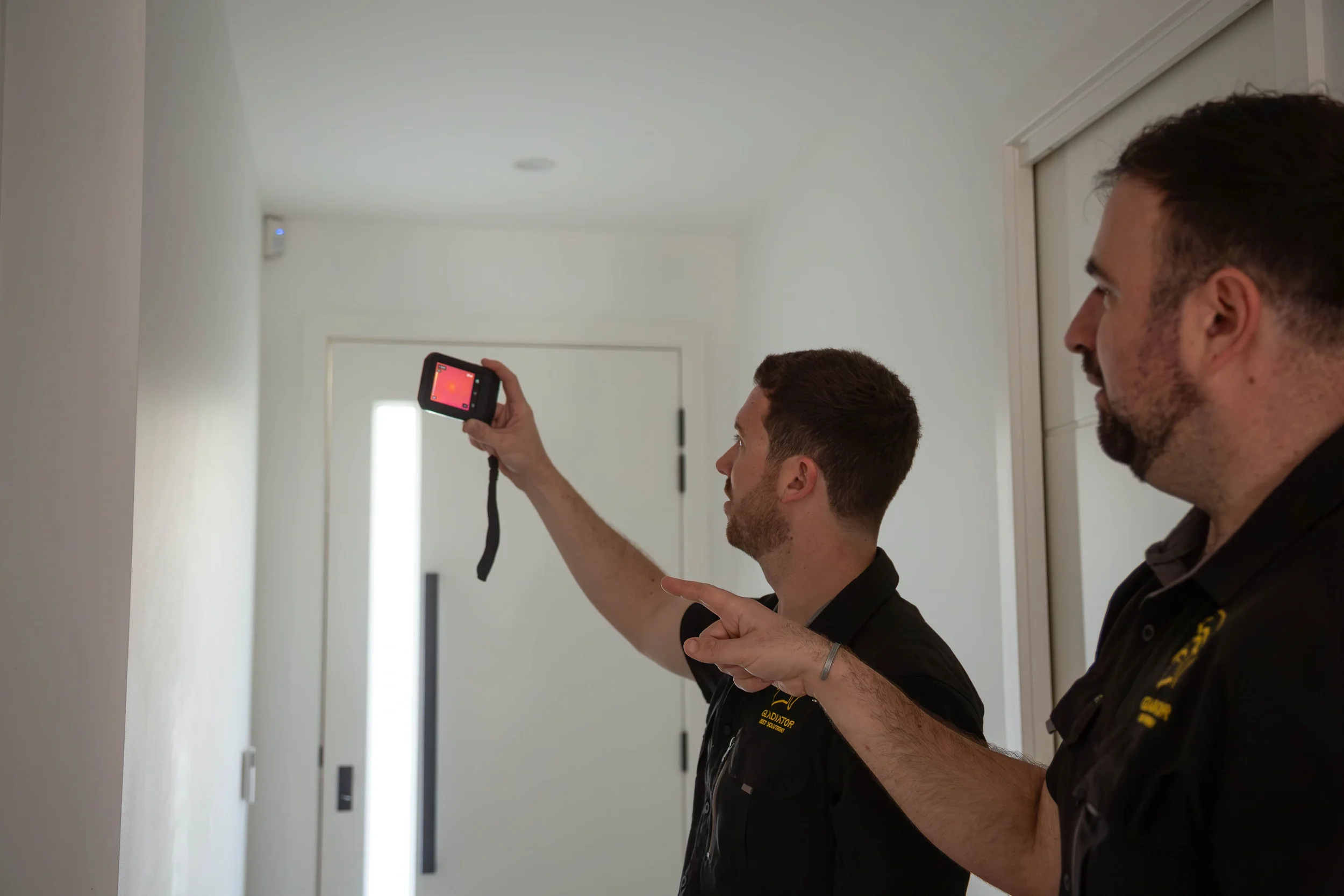
A typical rodent treatment for a home focuses on key areas:
Exterior of the property, where rodents travel and feed
Roof void, where they often nest and move around unseen
Subfloor, if present, as it provides sheltered access routes
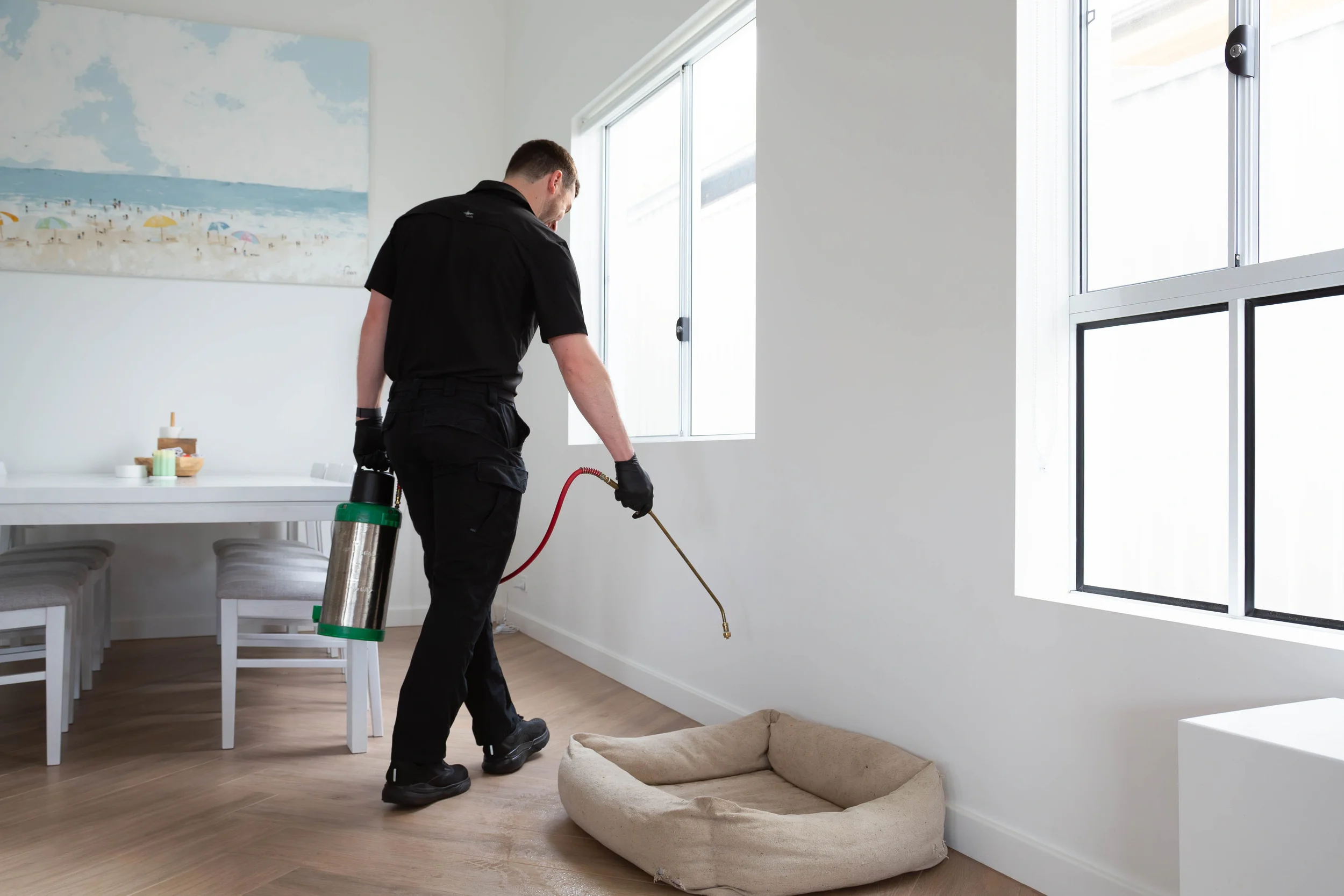
Gladiator Pest Solutions designs baiting and monitoring programs that suit your property layout and household. Safety around children and pets is always discussed so you know how products are used and where they are placed.
The aim is to reduce existing populations and discourage new rodents from settling in.
Proofing and sealing entry points
Treatment is only part of the solution. Blocking entry points helps prevent re-infestation.
Useful proofing steps include:
Checking for gaps under external doors and fitting door seals where needed
Repairing holes around pipes, vents, cables and service entries
Ensuring weep holes and other openings are appropriately sized and screened
Door jambs are a common weak spot. If a rodent can fit its head through a gap, it can usually squeeze its body through as well.
During a service, Gladiator Pest Solutions can point out likely entry points so you know where to focus repairs or ask a tradesperson to assist.
Preparing your home before winter
The best time to think about rodents is before you are lying awake listening to them in the roof.
As autumn progresses and temperatures drop, consider:
Booking a rodent check and, if needed, a treatment
Reducing external food sources such as open pet food containers and accessible rubbish
Tidying stored items in sheds, garages and under the house that create harbourage
By acting early, you make your home less attractive to rodents and reduce the chance of unwanted visitors in your roof and walls over winter.
FAQs
Do I have rodents if I can hear noises in the roof?
Not always, but scratching and scurrying sounds at night are common signs. An inspection can confirm whether rodents, possums or something else is responsible.
Is baiting safe for children and pets?
When done professionally, baiting programs are designed to minimise risk. Products are secured in locked stations and placed out of reach, with clear guidance provided.
Will rodents die in my roof?
Some may die within the structure, but well-planned programs aim to encourage feeding in external stations. Your technician can explain what to expect and how to manage concerns.
Can I just block holes to keep rodents out?
Proofing is important, but it should be paired with control. Sealing rats or mice inside can lead to odours and damage. It is best to treat and then proof.