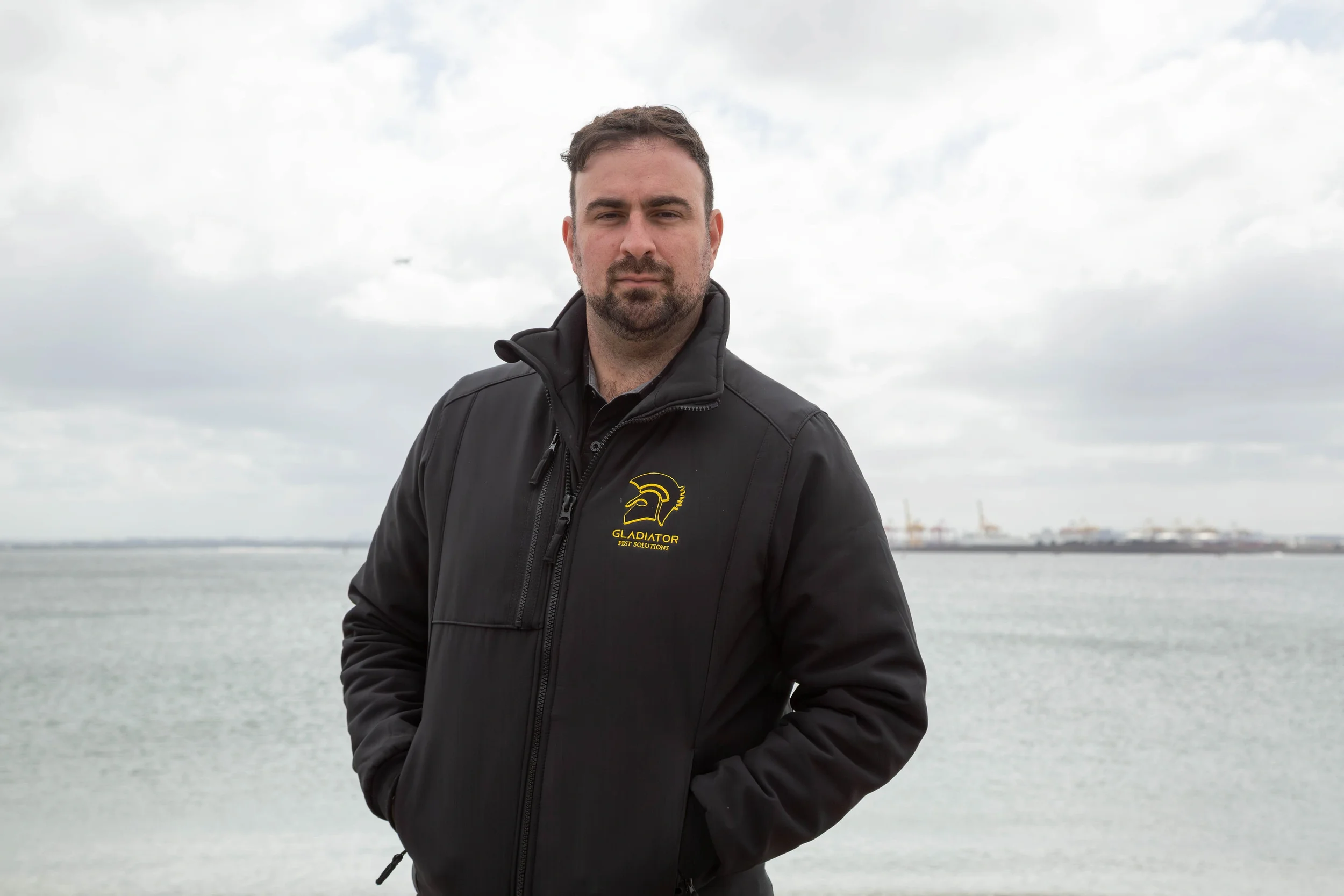
Protect Your Business This Summer From Pests
Summer is a busy time for Sydney businesses. Cafés and restaurants are full, warehouses are moving stock quickly and clinics and offices are running at full capacity.
It is also when pests are at their most active.
For any business that handles or stores food, or welcomes the public, a stray cockroach or mouse is more than an inconvenience. It can become a health risk and a reputational problem.
A planned, professional pest management program helps keep things under control.
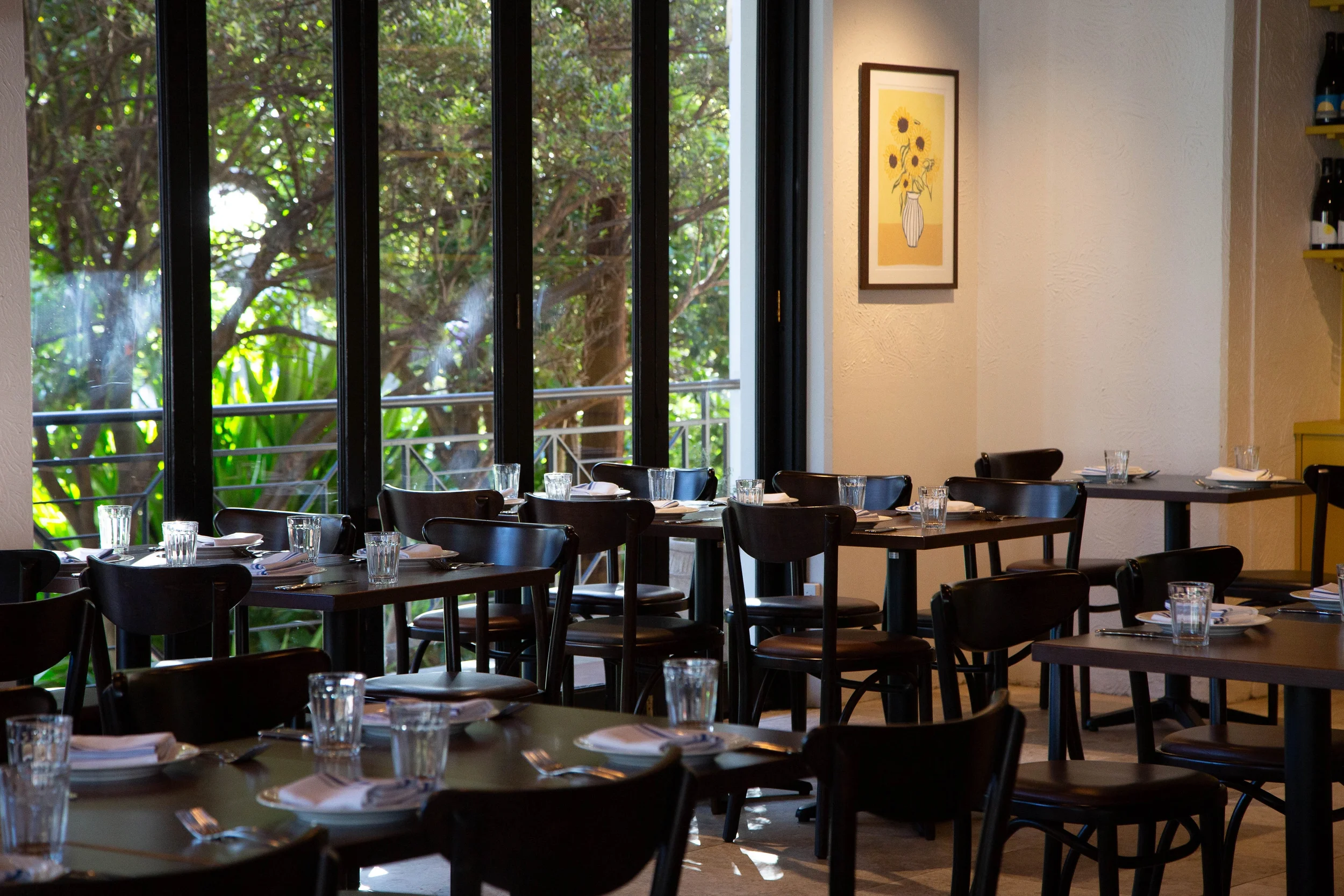
Why summer is high risk for businesses
Warm, humid weather and heavier foot traffic create the perfect environment for pests such as cockroaches, ants, flies and rodents.
Common summer risk factors include:
Food and spills that attract insects
Warm, busy bin areas
Open doors, roller doors and loading docks
Increased deliveries and waste
Reacting only when pests are seen is rarely enough. For food businesses in particular, prevention is part of good practice.
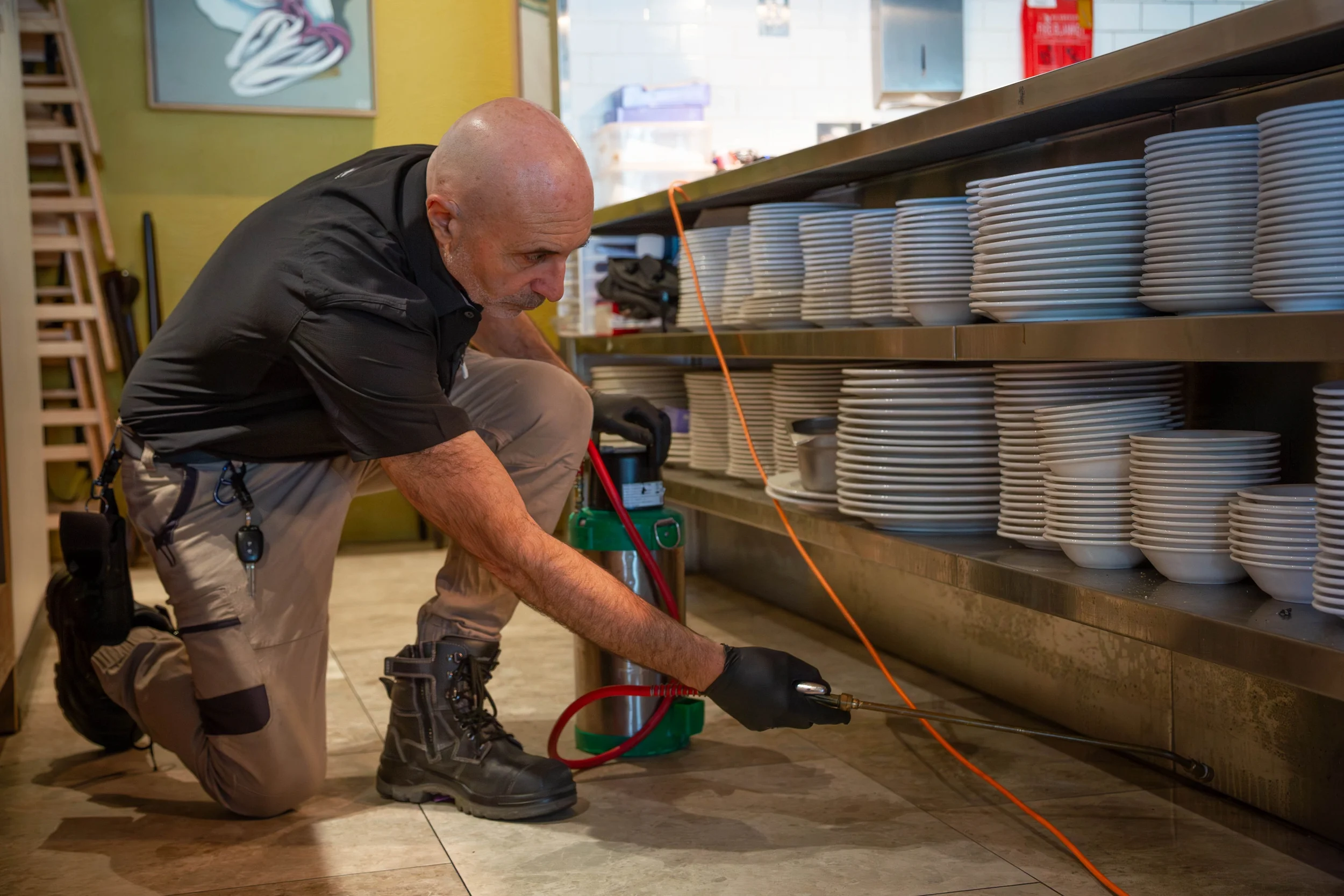
Working with HACCP requirements
Gladiator Pest Solutions works with industrial and commercial clients to build pest management programs that support HACCP and other food safety systems.
A HACCP-aligned pest control program will usually include:
A site assessment to identify risks in food handling and storage areas
A treatment and monitoring schedule that fits your operation and trading hours
Use of suitable products and application methods for sensitive environments
Clear documentation that shows what has been inspected, treated and found
This gives you practical protection from pests and confidence for audits and inspections.
Insect and rodent control for commercial sites
Most commercial pest plans consider both insects and rodents.
Typical targets include:
Cockroaches in kitchens, store rooms and staff areas
Ants around food prep, dishwashing and waste stations
Flies in food service and waste areas
Rodents around loading docks, roof voids, wall cavities and cool rooms
A thorough program brings together:
Targeted treatments in known harbourage areas
Exclusion work where possible to reduce access points
Monitoring devices that track activity over time
Simple education for staff so issues are reported early

Rodent mapping and activity reporting
Rodents are a major focus for many food and industrial sites.
Gladiator Pest Solutions can provide rodent mapping and activity reporting that makes it easy to see:
Where bait stations and monitoring points are located
Which areas are showing activity and which are clear
Trends over time so you can see if pressure is rising or falling
This kind of reporting is useful for internal health and safety records and supports HACCP and other compliance requirements. It also helps fine-tune the program so attention is focused where it is needed most.
Planning ahead for summer
The best time to think about pests is before your busy season begins.
If you manage a café, restaurant, warehouse, clinic or office, it can help to ask:
When was your last full commercial pest control service?
Do you have up-to-date records of inspections and treatments?
Are there any recurring pest issues that are managed informally but not yet addressed in your plan?
A structured pest management program helps protect staff, customers, stock and reputation. Gladiator Pest Solutions can review your current setup and design a program that suits the way your business actually operates.
FAQs
How often should my business have pest control in summer?
It depends on your risk level and type of business. Many food and industrial sites benefit from monthly or bi-monthly visits in warmer months, while lower-risk offices may need less frequent services.
Can pest control be done outside trading hours?
Yes. Treatments can be scheduled before opening, after closing or in quieter periods so your operations are not disrupted.
Is a HACCP pest program only for large sites?
No. Smaller cafés, restaurants and food storage sites can also benefit from HACCP-aligned pest control. The principles are the same; the scale is simply adjusted.
Do I really need rodent mapping and reporting?
For food and industrial sites, mapping and reporting create transparency. They make it easier to show due diligence to auditors and help track problem areas over time.