A commercial property can look spotless after a tenant moves out and still have a pest problem waiting for the next occupant.
Cockroaches don't necessarily leave when a restaurant closes. Rodents can remain within ceiling cavities and wall spaces, while birds may continue returning to the same roofline or loading dock regardless of whether the building is occupied.
For a property manager, discovering these issues during a new tenant's fit-out can mean additional work, delays and difficult conversations about who is responsible.
The period between tenancies is the ideal time to identify existing pest activity and address the conditions allowing it to continue.

Start with What Happened During the Previous Tenancy
The property's pest history can tell you where to look.
If the previous tenant experienced recurring rodent problems near a storeroom, it's worth finding out whether the source was ever identified. Perhaps an opening around a service penetration was noted but not repaired, or a loading door was regularly left open.
Similarly, repeated cockroach treatments in a commercial kitchen may indicate concealed harbourages requiring further attention.
Previous inspection records, complaints and maintenance recommendations can provide useful information before a new assessment begins.
A vacant premises may not show the same level of visible activity as an occupied one, particularly when food sources and daily operations have temporarily disappeared.
The Areas Worth Checking Before Handover
The inspection should reflect the property's use, but some locations deserve particular consideration.
Kitchens and amenities can conceal cockroach activity around plumbing, appliances and cabinetry. Even after a thorough clean, insects may remain in narrow gaps that are difficult to access.
Storerooms and loading areas may show signs of rodents through droppings, gnaw marks or damaged packaging. Door seals and openings around building services should also be examined.
Waste facilities and drainage areas can continue attracting pests if food waste, standing water or structural defects remain.
Rooflines and external structures should not be overlooked, particularly where birds have established regular roosting or nesting locations. Their presence can create ongoing hygiene and maintenance concerns for the next occupant.
One advantage of inspecting between tenancies is that previously obstructed areas become accessible once stock and equipment have been removed.
Should Pest Control Happen Before or After Cleaning?
It depends on what has been found.
Clearing unwanted materials and completing an initial clean can improve access for inspection. However, where an active infestation exists, treatment may need to be coordinated with cleaning so that affected areas can be properly addressed.
Any recommended building repairs should also be considered before the premises are handed over.
A rodent problem associated with a damaged door seal, for example, is unlikely to be managed effectively over time if the opening remains. The treatment controls existing activity; the repair helps prevent future access.
Coordinating these jobs before the final clean can save the incoming tenant considerable disruption.
The New Tenant May Need a Different Pest Management Programme
A change of occupant can completely change a building's pest risks.
An office becoming a café introduces food preparation, storage and waste considerations. A warehouse storing food products may require different preventative measures from one storing furniture.
Rather than automatically continuing the previous tenant's servicing arrangements, the property should be considered in light of its new use.
It's also sensible to retain relevant inspection findings, treatment records and outstanding maintenance recommendations. These help establish what was known about the property at handover, although they do not automatically determine legal responsibility for future pest issues.
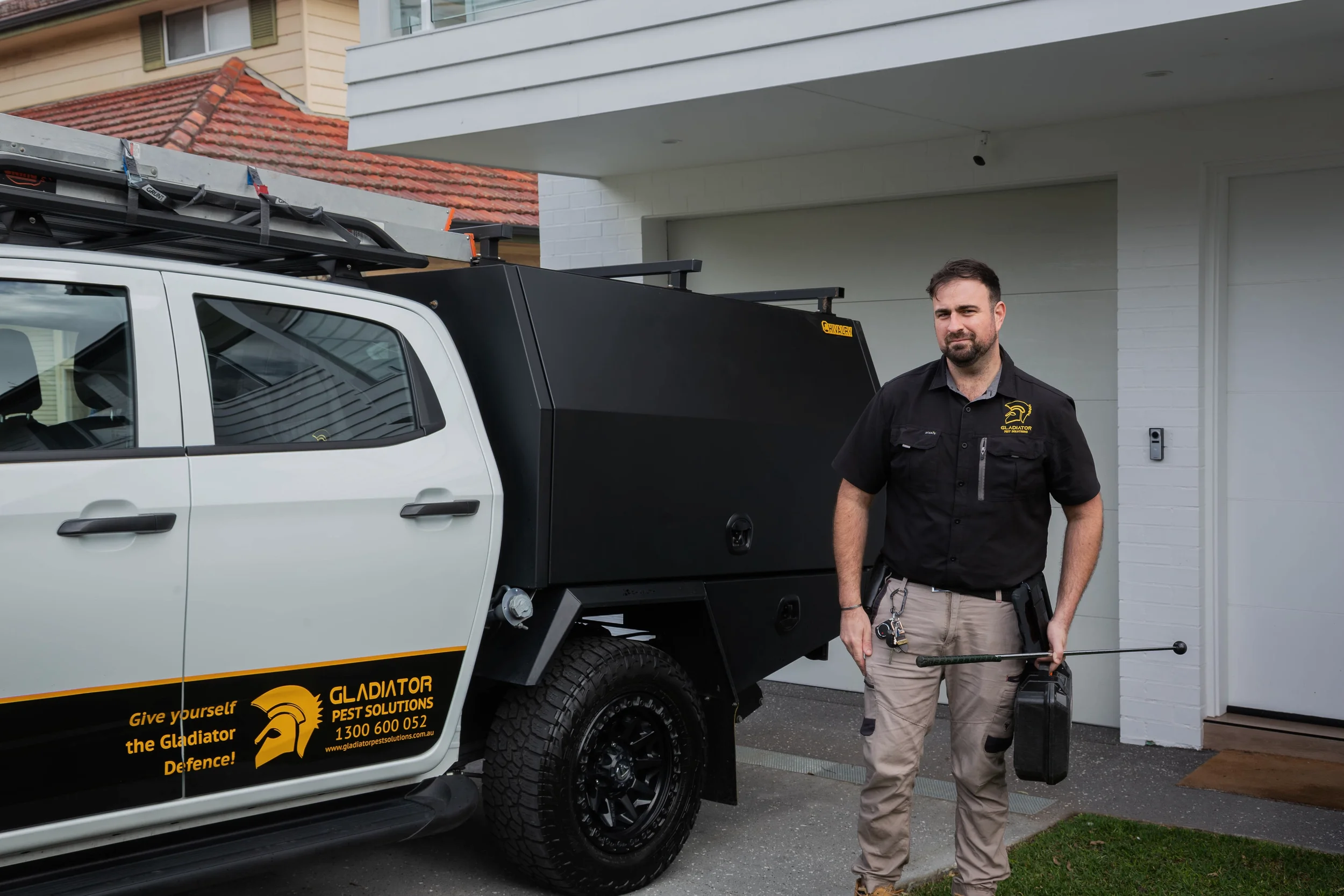
Gladiator Pest Solutions provides commercial pest management across NSW, helping property managers identify and address pest risks before the next tenant moves in.